Selecting the right surface for a badminton facility is a critical decision that directly affects player safety, performance, maintenance costs, and long-term usability. Among the most common options, Badminton Court Synthetic Flooring and traditional wooden flooring continue to dominate the market. Each solution offers distinct advantages and limitations, making it essential to understand how they compare across performance, durability, and cost factors. This article provides a comprehensive comparison to help facility owners, sports planners, and coaches make informed decisions.

Understanding Badminton Court Synthetic Flooring Systems
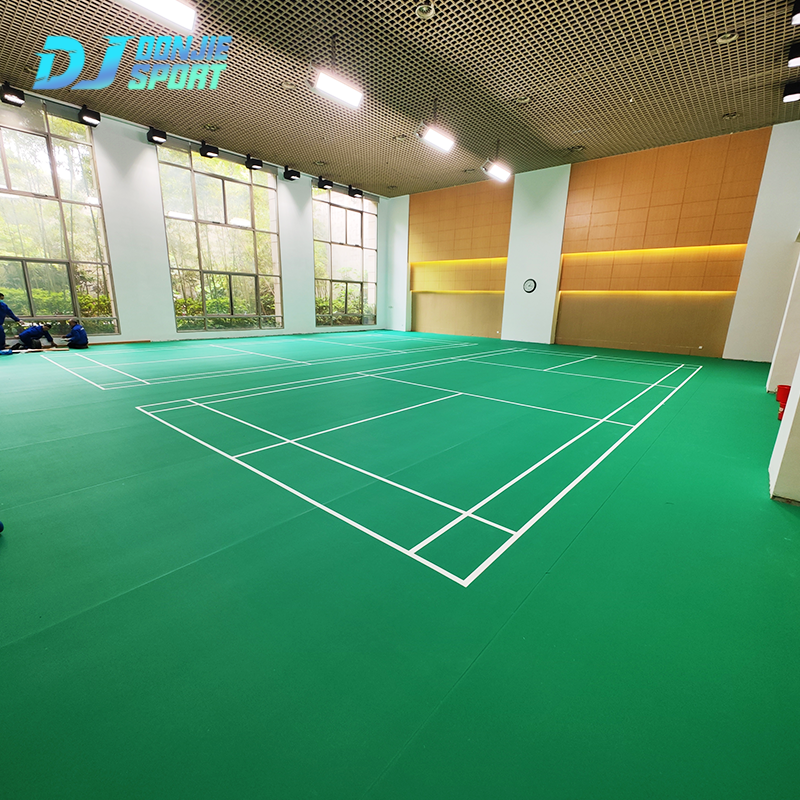
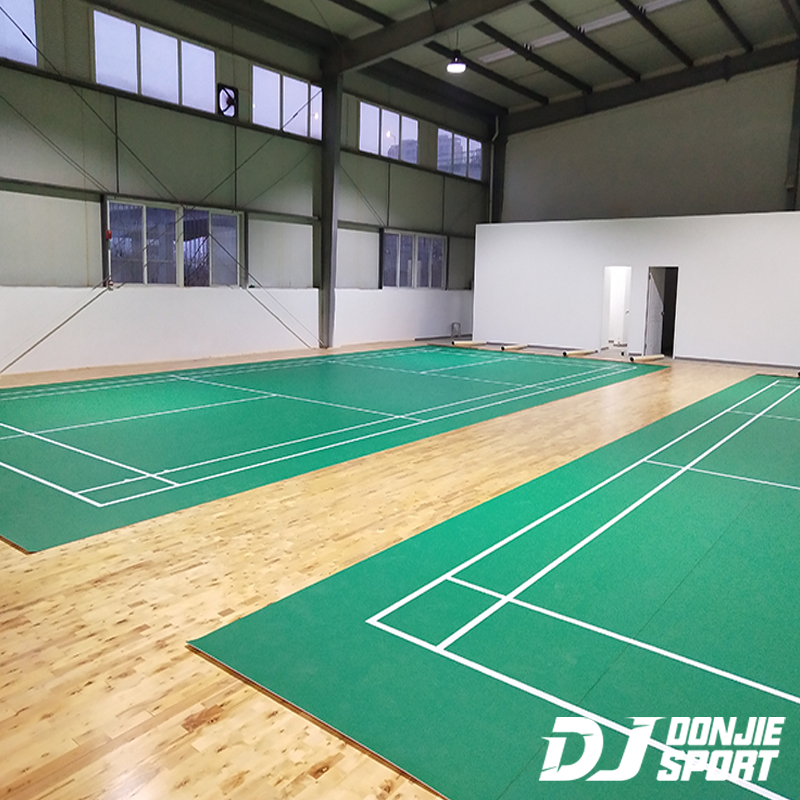
Badminton Court Synthetic Flooring is typically manufactured from high-quality PVC or vinyl materials engineered specifically for indoor sports performance. These floors consist of multiple layers, including a wear-resistant top layer, reinforced fiberglass stability layers, and cushioned foam backing to enhance shock absorption. This layered structure is designed to deliver consistent playing conditions while minimizing stress on players’ joints.
Synthetic flooring systems are widely used in badminton academies, training centers, and multi-purpose sports halls due to their adaptability and predictable performance characteristics. Their factory-controlled production ensures uniform quality across the entire court surface.
Understanding Wooden Flooring for Badminton Courts
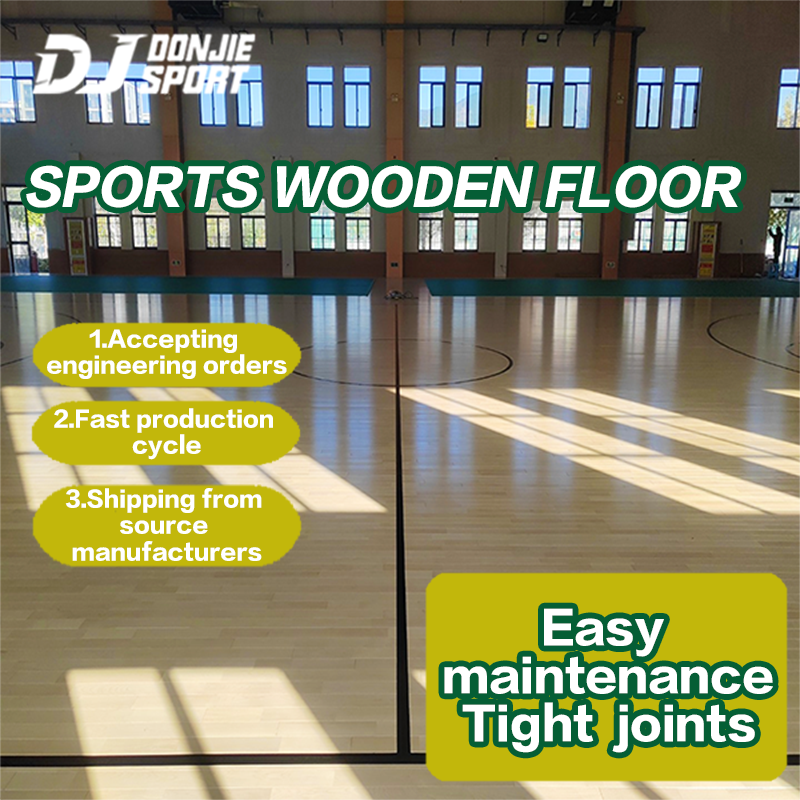
Wooden flooring has long been associated with professional badminton venues and traditional sports halls. Commonly constructed using maple, beech, or other hardwood species, wooden badminton courts are often installed as sprung floor systems to improve elasticity and comfort. The natural feel of wood provides a classic playing experience that many professional players appreciate.
However, wooden flooring requires precise craftsmanship, controlled indoor conditions, and careful long-term maintenance to retain its performance qualities. It is most commonly found in dedicated badminton arenas and high-end competition venues.
Performance Comparison Between Badminton Court Synthetic Flooring and Wooden Flooring
Performance is one of the most important factors when comparing Badminton Court Synthetic Flooring and wooden flooring. Synthetic surfaces are engineered to provide consistent grip, controlled friction, and uniform ball response across the entire court. This consistency supports predictable footwork and reduces the risk of slips.
Wooden flooring offers a natural bounce and excellent energy return, but performance can vary depending on humidity, temperature, and surface wear. Over time, variations in grip and surface smoothness may affect movement precision and player confidence.
Durability and Lifespan of Badminton Court Synthetic Flooring vs Wooden Flooring
Badminton Court Synthetic Flooring is highly resistant to abrasion, moisture, and temperature fluctuations. Its durability makes it suitable for high-traffic environments and intensive daily use. With proper care, synthetic badminton flooring can maintain performance characteristics for many years without major structural repairs.
Wooden flooring, while durable, is more sensitive to environmental conditions. Moisture exposure, expansion, and contraction can shorten its lifespan if climate control is inconsistent. Periodic refinishing is required to restore surface quality and prevent long-term damage.
Installation Process and Subfloor Requirements
One of the major advantages of Badminton Court Synthetic Flooring is its flexible installation process. Synthetic rolls or tiles can be installed over concrete, asphalt, or existing surfaces with minimal preparation. Installation time is relatively short, reducing facility downtime.
Wooden flooring installation is more complex and requires precise subfloor leveling, moisture barriers, and professional craftsmanship. The process is time-intensive and typically involves higher labor costs, making it less suitable for fast-track projects.
Maintenance and Ongoing Care Requirements
Maintenance requirements differ significantly between the two flooring types. Badminton Court Synthetic Flooring requires routine cleaning using mild detergents and basic equipment. It does not require polishing, sanding, or surface sealing, keeping maintenance costs predictable and low.
Wooden flooring demands regular polishing, periodic refinishing, and strict environmental control to preserve its surface quality. Maintenance schedules are more demanding, and improper care can lead to irreversible damage.
Cost Comparison and Budget Considerations
From a budget perspective, Badminton Court Synthetic Flooring generally offers a lower initial investment compared to wooden flooring. More importantly, its lower maintenance costs and longer performance stability contribute to reduced total lifecycle expenses.
Wooden flooring typically involves higher upfront costs and ongoing maintenance expenses. While it may enhance the prestige of a venue, the long-term financial commitment should be carefully evaluated.
Suitability for Different Types of Badminton Facilities
Badminton Court Synthetic Flooring is ideal for training academies, schools, recreational centers, and multi-purpose halls where durability, ease of maintenance, and cost efficiency are priorities. Its consistent performance also makes it suitable for competitive play.
Wooden flooring is best suited for dedicated professional venues and tournament courts where tradition, aesthetics, and elite-level play are the primary considerations. These facilities often have the resources to manage higher installation and maintenance demands.
Environmental and Sustainability Considerations
Modern Badminton Court Synthetic Flooring products increasingly incorporate eco-friendly manufacturing processes, low-VOC materials, and recyclable components. Their long lifespan also reduces material waste over time.
Wooden flooring can be environmentally responsible when sourced from certified forests, but the environmental impact of harvesting, processing, and frequent refinishing must be considered. Sustainable sourcing and proper lifecycle management are essential.
Choosing Between Badminton Court Synthetic Flooring and Wooden Flooring
Choosing between Badminton Court Synthetic Flooring and wooden flooring depends on performance expectations, budget constraints, maintenance capacity, and facility usage. Synthetic flooring delivers consistent performance, lower maintenance, and cost efficiency, making it a practical solution for most modern badminton facilities. Wooden flooring offers classic appeal and professional prestige but requires a higher level of investment and care. Aligning the flooring choice with long-term operational goals ensures optimal performance and value.