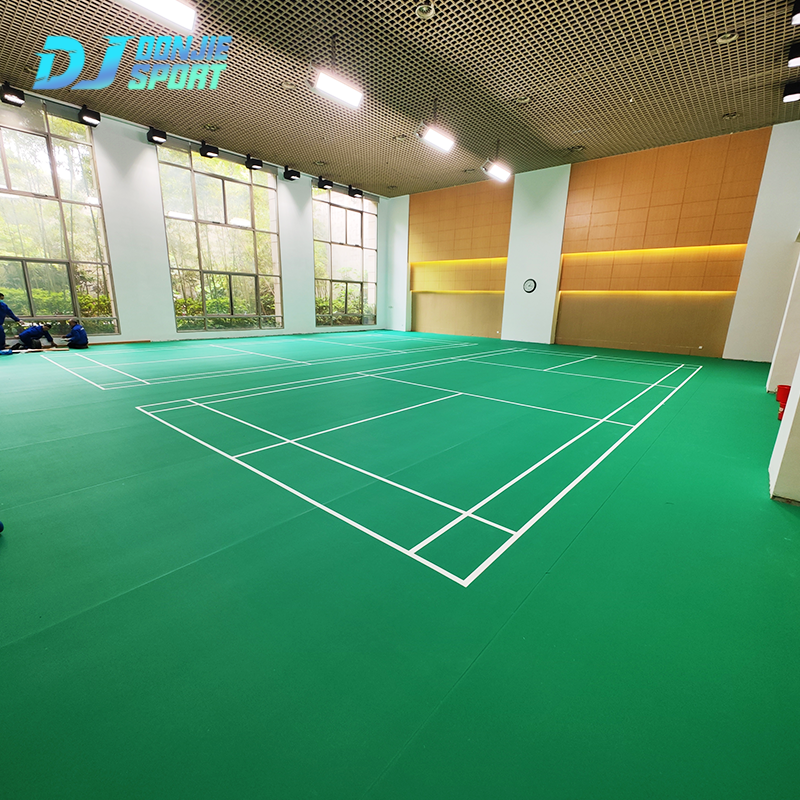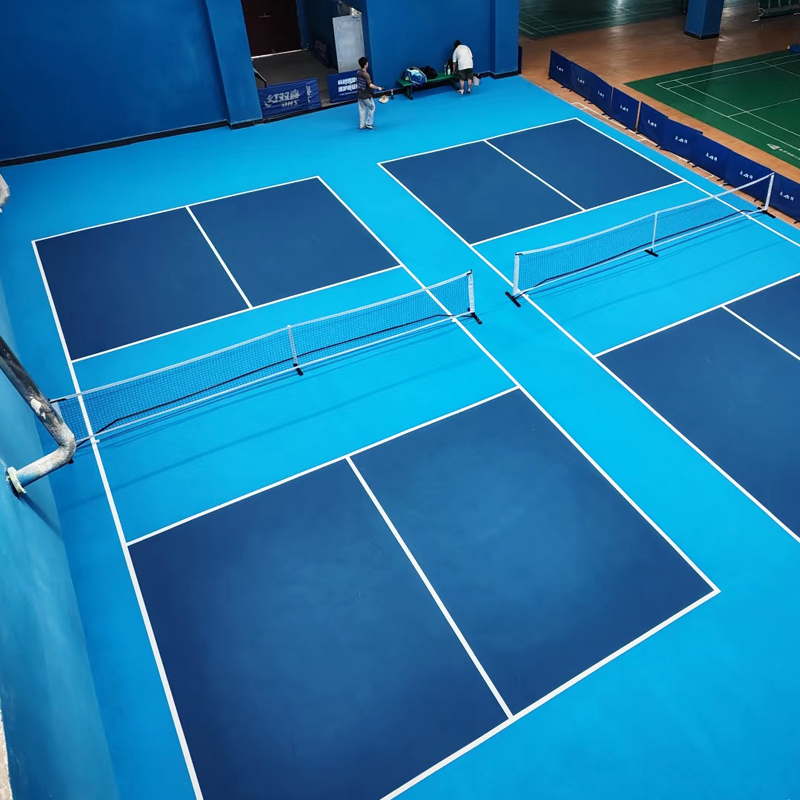
A Badminton Court Mat is a significant investment for gyms, sports clubs, schools, and professional training facilities. Beyond aesthetics, proper cleaning and maintenance directly impact player safety, performance consistency, and the overall lifespan of the court surface. Dust accumulation, sweat residue, and improper cleaning techniques can reduce grip, accelerate wear, and compromise shock absorption. Establishing a structured care routine ensures your Badminton Court Mat delivers reliable performance over the long term while minimizing repair and replacement costs.
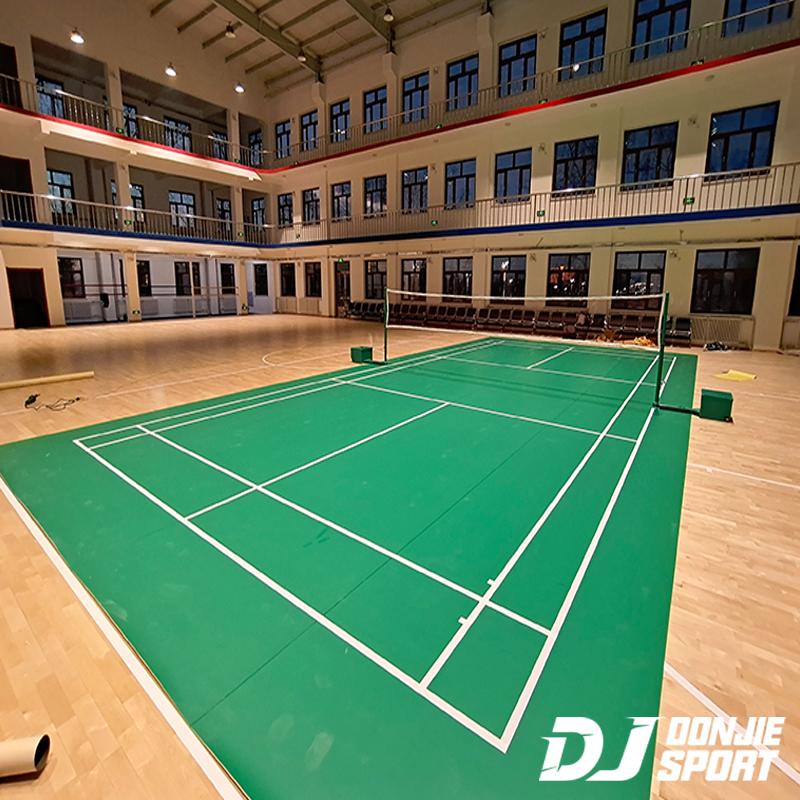
Understanding Your Badminton Court Mat Material
Most modern Badminton Court Mats are manufactured from high-quality PVC with multi-layer construction designed to provide elasticity, durability, and slip resistance. The surface layer typically features a textured finish to enhance traction, while the wear layer protects against abrasion from repeated footwork.
Understanding these material characteristics is essential when choosing cleaning methods. A Badminton Court Mat requires gentle yet effective care to preserve surface texture, prevent hardening, and maintain consistent playing conditions. Using inappropriate tools or chemicals can damage the protective layer and reduce the mat’s functional lifespan.
Daily Cleaning Practices for a Badminton Court Mat
Daily cleaning is the foundation of effective Badminton Court Mat maintenance. Loose dust and fine debris act like abrasive particles that gradually wear down the surface if left unattended.
Dry dust removal using a soft microfiber mop or wide dust mop is highly recommended. This method efficiently removes dirt without scratching the surface or pushing particles into seams. Special attention should be given to high-traffic zones such as baselines and net areas.
Regular daily cleaning helps maintain traction, prevents surface dullness, and keeps the Badminton Court Mat visually clean and professional.
Weekly Deep Cleaning Methods for a Badminton Court Mat
Weekly cleaning targets sweat residue, body oils, and stubborn marks that daily dusting cannot eliminate. A mild, pH-neutral detergent diluted in warm water is ideal for a Badminton Court Mat. Strong alkaline or acidic cleaners should always be avoided.
Use a damp mop rather than soaking the surface. Excess water can seep into seams and affect the bonding layers beneath the mat. After mopping, ensure the court is properly dried using airflow or clean, dry mops to prevent moisture buildup.
Consistent weekly cleaning restores surface grip and maintains uniform playing conditions across the entire Badminton Court Mat.
Monthly and Periodic Maintenance for a Badminton Court Mat
Monthly inspections are essential for identifying early signs of wear. Check seams, edges, and line markings for lifting or fading. Addressing small issues early prevents larger structural problems later.
Maintaining grip is another critical aspect of periodic care. Over time, residue buildup can reduce friction, even if the surface appears clean. Periodic deep cleaning restores the anti-slip properties that players rely on for safe movement.
This proactive approach ensures your Badminton Court Mat continues to perform at a professional standard throughout its service life.
What to Avoid When Cleaning a Badminton Court Mat
Certain practices can significantly shorten the lifespan of a Badminton Court Mat. Harsh chemicals such as bleach, ammonia, or solvent-based cleaners can degrade the PVC surface and cause discoloration.
High-pressure water cleaning and excessive moisture should also be avoided. These methods can weaken adhesive layers and promote mold growth beneath the mat. Using abrasive brushes or stiff brooms can permanently damage the textured surface.
Avoiding these common mistakes is just as important as following proper cleaning routines.
Environmental Factors Affecting Badminton Court Mat Longevity
Indoor environmental conditions play a crucial role in the durability of a Badminton Court Mat. Consistent temperature and controlled humidity help prevent material expansion, contraction, and surface hardening.
Direct UV exposure from strong lighting or sunlight can gradually fade colors and weaken surface layers. Proper ventilation improves drying after cleaning and reduces moisture-related damage.
Managing these environmental factors helps maintain both appearance and performance.

Storage and Protection Tips for a Badminton Court Mat
For portable Badminton Court Mats, correct storage is essential. Mats should be rolled evenly, stored in a dry area, and protected from heavy objects that could cause deformation.
Using entrance mats at facility access points reduces the amount of dirt tracked onto the court. Implementing strict footwear rules further protects the Badminton Court Mat from unnecessary abrasion and contamination.
Simple protective measures significantly reduce cleaning frequency and long-term wear.
Professional Maintenance and Long-Term Care Strategy
While routine in-house cleaning is sufficient for most facilities, professional maintenance services can be beneficial for heavily used courts. Specialized equipment and expertise allow for deeper cleaning without damaging the surface.
Creating a documented maintenance schedule ensures consistency and accountability. Over time, preventive maintenance reduces repair costs and extends the functional lifespan of your Badminton Court Mat, delivering better value from your investment.
Conclusion
A well-maintained Badminton Court Mat provides safer gameplay, better performance, and a professional appearance. By combining daily cleaning, scheduled deep maintenance, environmental control, and proper usage rules, facilities can significantly extend the life of their court surface. Consistent care is not just about cleanliness, but about protecting performance and maximizing long-term value.