Selecting the right Badminton Court Mat for Outdoor is essential for players who want a consistent, safe, and enjoyable game. Unlike indoor courts, outdoor conditions expose mats to sunlight, rain, dust, and temperature changes, all of which can affect performance and longevity. Choosing the wrong material can lead to faster wear, reduced grip, and even safety hazards. In this guide, we will explore the best materials for outdoor badminton mats, installation tips, maintenance strategies, and factors to consider to ensure you get the most out of your outdoor court.
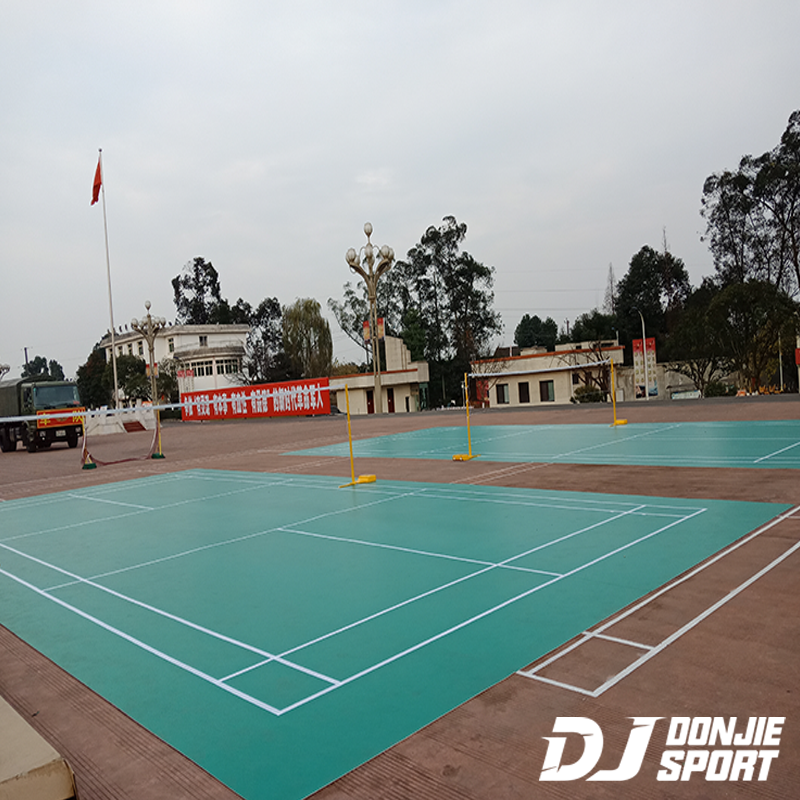
Understanding Outdoor Badminton Court Conditions
Playing badminton outdoors comes with unique challenges that significantly impact your court mat choice.
Weather Impact: Sun, Rain, Humidity, and Temperature Fluctuations
Outdoor mats must withstand direct sunlight, heavy rainfall, and fluctuating temperatures. UV exposure can cause fading or cracking, while prolonged moisture can lead to mold or mildew if the mat is not properly treated.
Surface Challenges: Uneven Ground, Debris, and Wear
Unlike controlled indoor courts, outdoor courts may sit on concrete, asphalt, or soil. Uneven surfaces can wear mats unevenly, and debris like dirt or leaves can reduce traction and cause accidents.
Safety Considerations: Slip Resistance and Shock Absorption
For outdoor play, slip resistance and shock absorption are critical. A mat that becomes slippery when wet or is too thin may increase the risk of injuries. Quality outdoor mats balance grip and cushioning to protect joints and enhance performance.
Key Features of a Good Badminton Court Mat for Outdoor Use
When selecting a Badminton Court Mat for Outdoor, consider these essential features:
-
Durability and Longevity: Outdoor mats must resist tearing, cracking, and fading over time.
-
UV Resistance and Weatherproofing: Protects against sun damage and harsh weather conditions.
-
Non-Slip Surface: Ensures safe play even when the mat is damp or dusty.
-
Shock Absorption: Reduces stress on knees, ankles, and joints, supporting long-term player health.
-
Easy Maintenance: Mats should be easy to clean, resistant to mold, and simple to repair if needed.
Top Materials for Outdoor Badminton Court Mats
PVC Flooring
PVC mats are popular for outdoor use due to their durability and affordability. They are water-resistant, easy to clean, and offer moderate shock absorption. High-quality PVC mats often include UV stabilizers to prevent fading under direct sunlight.
Polyurethane (PU) Mats
PU mats provide excellent shock absorption and flexibility, making them ideal for players who need joint protection. They also resist wear from foot traffic and outdoor elements, though they may be more expensive than PVC options.
Rubber Mats
Rubber mats are heavy-duty, slip-resistant, and highly durable. They offer superior grip and cushioning, which is especially important on hard surfaces like concrete or asphalt. Rubber mats are resistant to water and can last many years with proper maintenance.
Hybrid Materials
Some outdoor mats combine materials, such as PVC with a PU or rubber layer, to offer both durability and comfort. Hybrid mats are designed to withstand outdoor conditions while providing a stable, cushioned playing surface.
Choosing the Right Thickness and Texture
Thickness
Outdoor mats come in various thicknesses, typically ranging from 3mm to 7mm. Thicker mats offer better shock absorption and comfort but may be harder to transport or install. Thinner mats are easier to handle but may wear faster on rough surfaces.
Texture
Surface texture affects grip and ball behavior. Mats with a slightly rough texture improve traction, reduce slipping, and allow players to move confidently. Smooth mats may feel comfortable but can become slippery when wet.
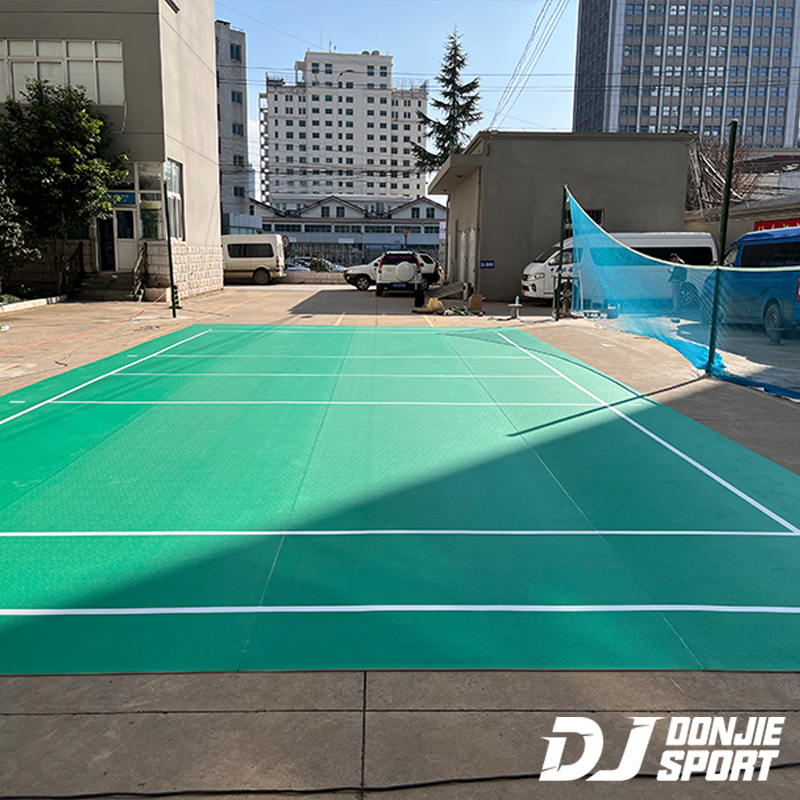
Installation Tips for Outdoor Badminton Court Mats
Preparing the Ground
Leveling the playing area and ensuring proper drainage are crucial for outdoor mats. Uneven ground or poor drainage can cause water pooling and reduce mat longevity.
Mat Placement and Joining
Outdoor mats often come in interlocking tiles or rolls. Proper alignment and tight joins prevent gaps, which can cause tripping hazards and uneven play.
Securing Mats for Long-Term Stability
Depending on the surface, mats may need weights, adhesives, or anchor systems to remain in place. This is especially important in windy conditions.
Seasonal Maintenance
Outdoor mats may need to be stored or covered during extreme weather seasons to extend their lifespan.
Maintenance and Longevity Tips
-
Regular Cleaning: Sweep debris and rinse dirt or mud with water. Mild detergents can help remove stains.
-
Preventing Mold and Mildew: Ensure mats dry completely after rain or cleaning. Avoid placing mats on damp ground for long periods.
-
Repair and Replacement: Inspect mats periodically for tears or wear. Replace sections as needed to maintain a safe playing surface.
-
Storage Options: During off-season, roll or stack mats in a dry, shaded area to prevent sun damage and moisture accumulation.
Cost Considerations for Outdoor Badminton Court Mats
-
Average Price Range: PVC mats can range from $15 to $40 per square meter, PU mats from $30 to $60, and rubber mats $40 to $80.
-
Long-Term Investment: Investing in high-quality materials may cost more initially but reduces replacement frequency and improves player safety.
-
Factors Affecting Cost: Material type, thickness, brand, installation complexity, and additional features like UV resistance or anti-slip texture.
Conclusion
Choosing the right Badminton Court Mat for Outdoor is a balance between durability, safety, performance, and budget. PVC, PU, rubber, and hybrid mats each offer unique advantages, and understanding outdoor conditions is essential to make the best choice. Proper installation, regular maintenance, and thoughtful selection of thickness and texture can greatly extend the lifespan of your mat and enhance gameplay. By investing in a quality outdoor badminton court mat, you ensure a safe, comfortable, and enjoyable experience for players of all levels.