Badminton Court Flooring plays a crucial role in how the game is played, how athletes perform, and how safe the playing environment remains over time. Whether you are designing a professional indoor arena or upgrading an outdoor recreational court, understanding the difference between indoor and outdoor Badminton Court Flooring is essential. Each environment places unique demands on flooring materials, performance characteristics, and maintenance requirements.
Choosing the wrong type of Badminton Court Flooring can lead to poor traction, increased injury risk, and unnecessary maintenance costs. This guide explores the real differences between indoor and outdoor badminton flooring to help you make an informed decision.
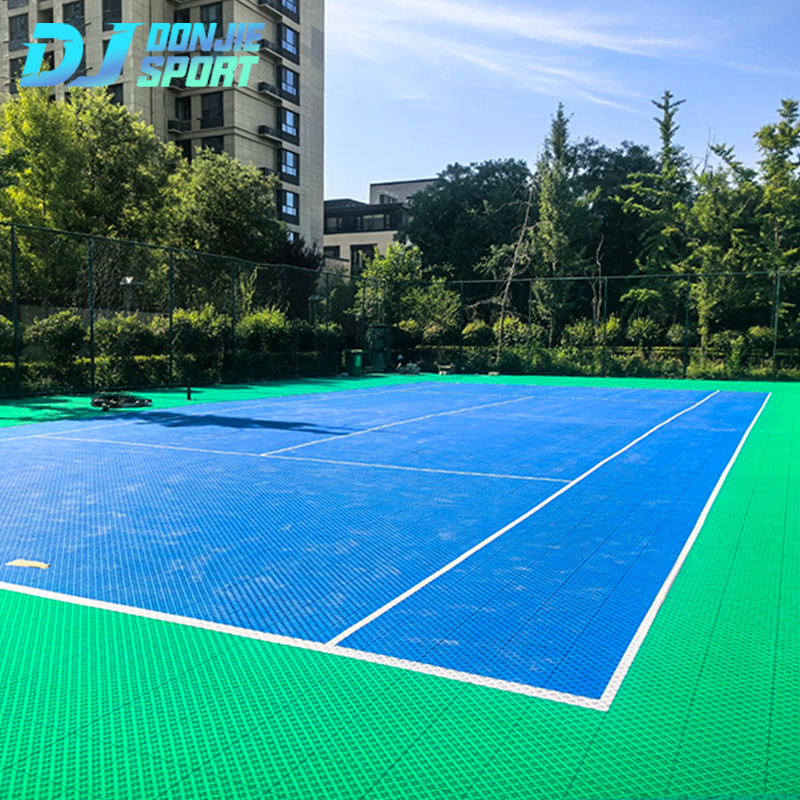
What Is Badminton Court Flooring and Why It Matters
Badminton Court Flooring refers to the specialized surface designed to support fast footwork, sudden directional changes, and repetitive impact. Unlike general sports flooring, Badminton Court Flooring is engineered to provide optimal grip, shock absorption, and shuttlecock consistency.
High-quality Badminton Court Flooring enhances player confidence, reduces joint stress, and ensures consistent bounce and movement. Whether installed indoors or outdoors, the flooring must meet strict performance and safety standards.
Key Differences Between Indoor and Outdoor Badminton Court Flooring
The primary difference between indoor and outdoor Badminton Court Flooring lies in environmental exposure. Indoor courts operate in controlled conditions, while outdoor courts must withstand weather, temperature changes, and moisture.
Indoor Badminton Court Flooring prioritizes comfort, elasticity, and performance precision. Outdoor Badminton Court Flooring focuses on durability, drainage, and resistance to environmental wear. These differences influence material choice, installation methods, and long-term maintenance strategies.
Badminton Court Flooring for Indoor Courts
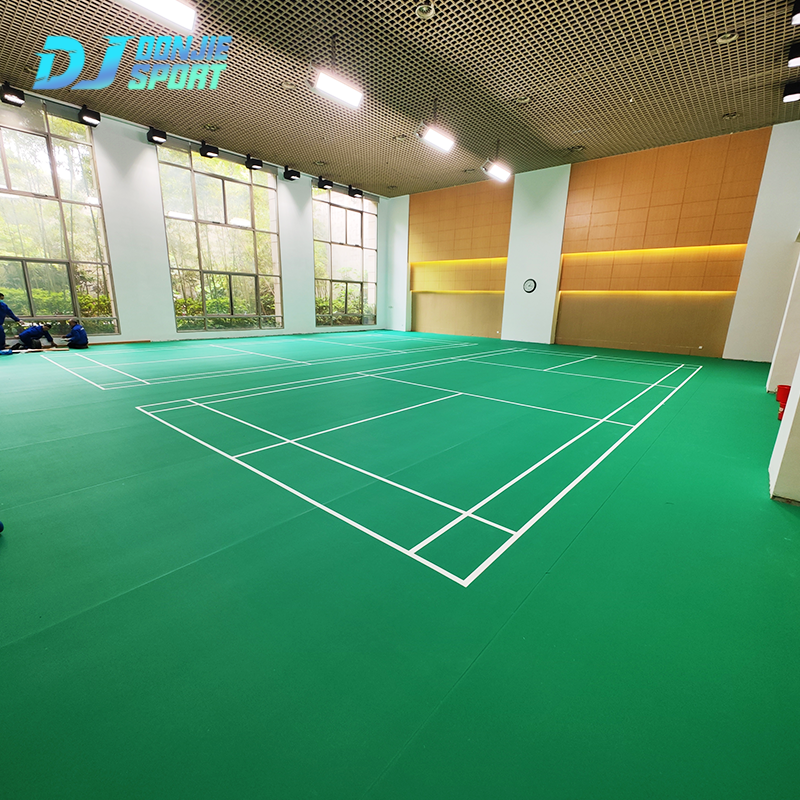
Indoor badminton courts are designed to deliver consistent playing conditions year-round. The flooring must support high-intensity training and competitive matches without being affected by weather or sunlight.
Indoor Badminton Court Flooring emphasizes shock absorption to protect players during rapid movements. Smooth yet slip-resistant surfaces allow players to move confidently while maintaining balance and control.
Common Materials Used in Indoor Badminton Court Flooring
PVC Badminton Court Flooring is one of the most popular indoor options due to its excellent elasticity, durability, and easy maintenance. It provides reliable traction and is widely used in professional and community sports halls.
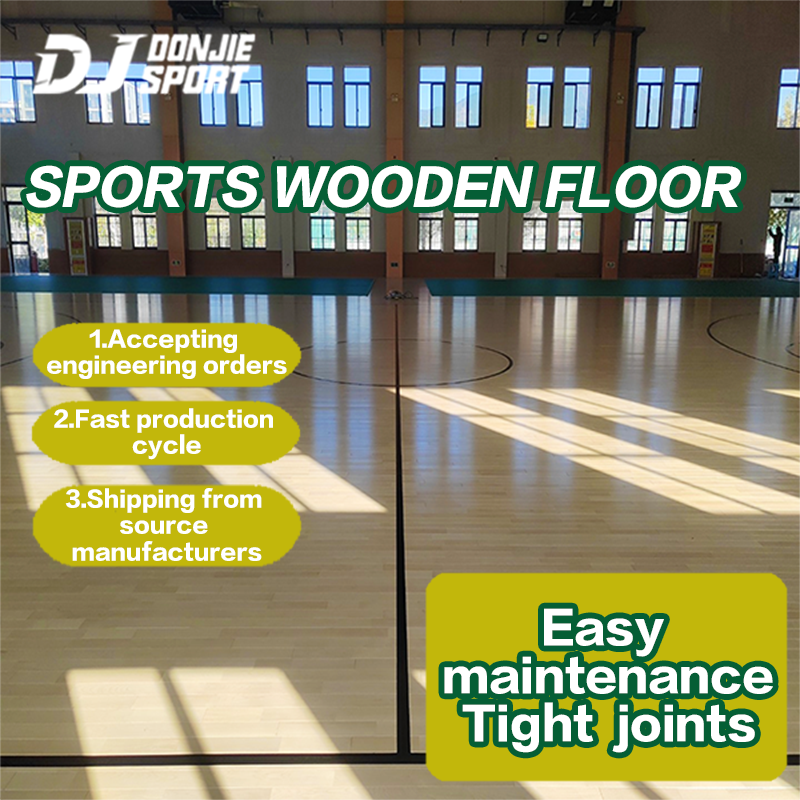
Wooden Badminton Court Flooring, especially maple or engineered hardwood, is traditionally used in elite indoor arenas. It offers natural shock absorption and a premium playing experience but requires higher maintenance.
Synthetic Badminton Court Mats are another indoor solution, offering portability and cost efficiency for multipurpose facilities.
Performance Characteristics of Indoor Badminton Court Flooring
Indoor Badminton Court Flooring delivers stable grip, predictable foot response, and consistent shuttlecock behavior. Proper shock absorption reduces fatigue and lowers the risk of knee and ankle injuries.
Since indoor conditions are controlled, the flooring maintains uniform performance throughout the year, making it ideal for tournaments and training programs.
Maintenance Requirements for Indoor Badminton Court Flooring
Indoor Badminton Court Flooring typically requires regular sweeping, damp mopping, and occasional deep cleaning. With proper care, indoor flooring systems can maintain performance and appearance for many years.
Compared to outdoor courts, indoor flooring experiences less surface degradation, resulting in lower long-term repair needs.
Badminton Court Flooring for Outdoor Courts
Outdoor badminton courts face constant exposure to environmental elements. Outdoor Badminton Court Flooring must withstand rain, sunlight, temperature fluctuations, and dust without compromising safety.
Durability and weather resistance are the top priorities when selecting Badminton Court Flooring for outdoor use.
Materials Best Suited for Outdoor Badminton Court Flooring
Weather-resistant PVC Badminton Court Flooring is commonly used outdoors due to its anti-slip surface and UV protection. Acrylic flooring systems are also popular, offering seamless surfaces with excellent drainage properties.
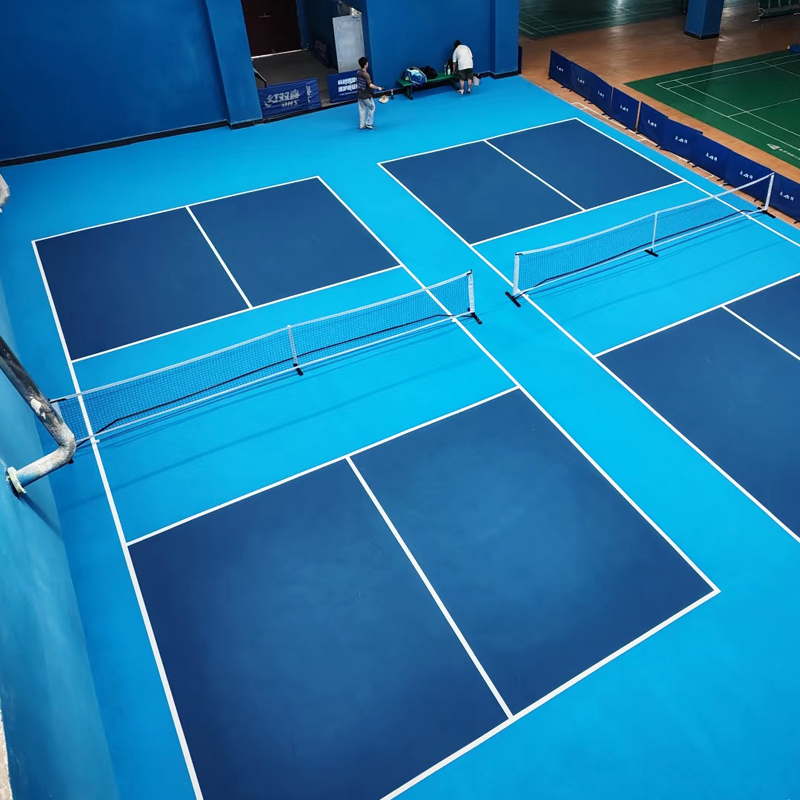
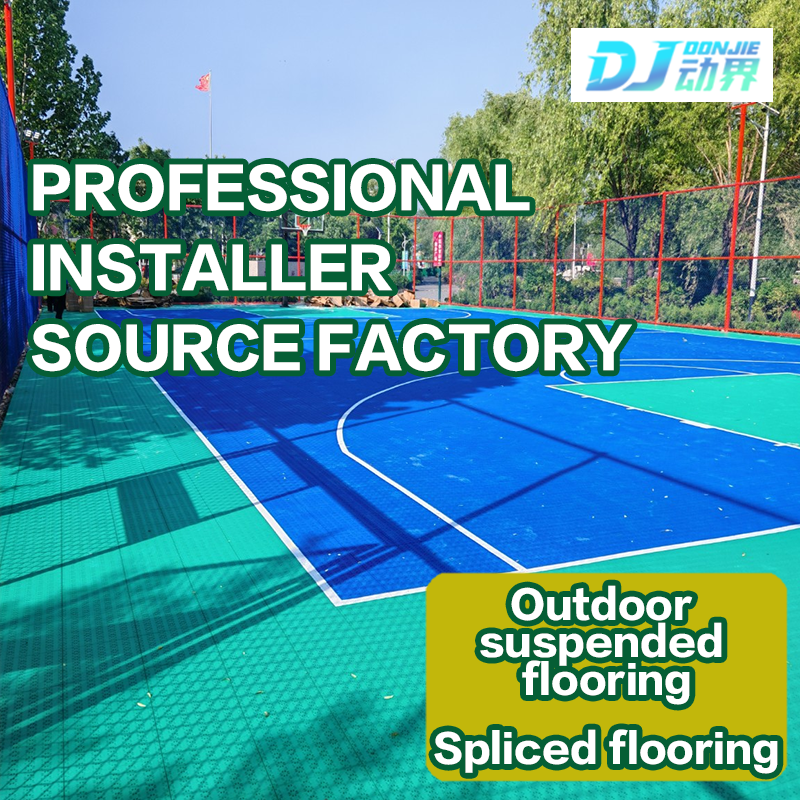
Interlocking modular flooring is another outdoor option, providing easy installation and effective water drainage while maintaining adequate grip.
Performance Challenges of Outdoor Badminton Court Flooring
Outdoor Badminton Court Flooring must maintain traction even when exposed to moisture. Temperature changes can affect surface hardness, influencing player comfort and movement.
Unlike indoor courts, outdoor badminton surfaces may experience minor variations in playability depending on weather conditions.
Safety Considerations for Outdoor Badminton Court Flooring
Anti-slip properties are critical for outdoor Badminton Court Flooring. Proper drainage systems prevent water accumulation, reducing the risk of slips and falls.
UV-resistant coatings and textured surfaces help maintain consistent grip and surface integrity over time.
Indoor vs Outdoor Badminton Court Flooring Comparison
Indoor Badminton Court Flooring excels in comfort, precision, and consistency, making it ideal for professional play. Outdoor Badminton Court Flooring prioritizes resilience, safety, and adaptability to environmental conditions.
Indoor flooring generally has a higher performance focus, while outdoor flooring emphasizes durability and lower maintenance demands.
How to Choose the Right Badminton Court Flooring for Your Facility
Selecting the right Badminton Court Flooring depends on court location, usage frequency, and budget. Facilities focused on competitive play benefit most from high-performance indoor flooring systems.
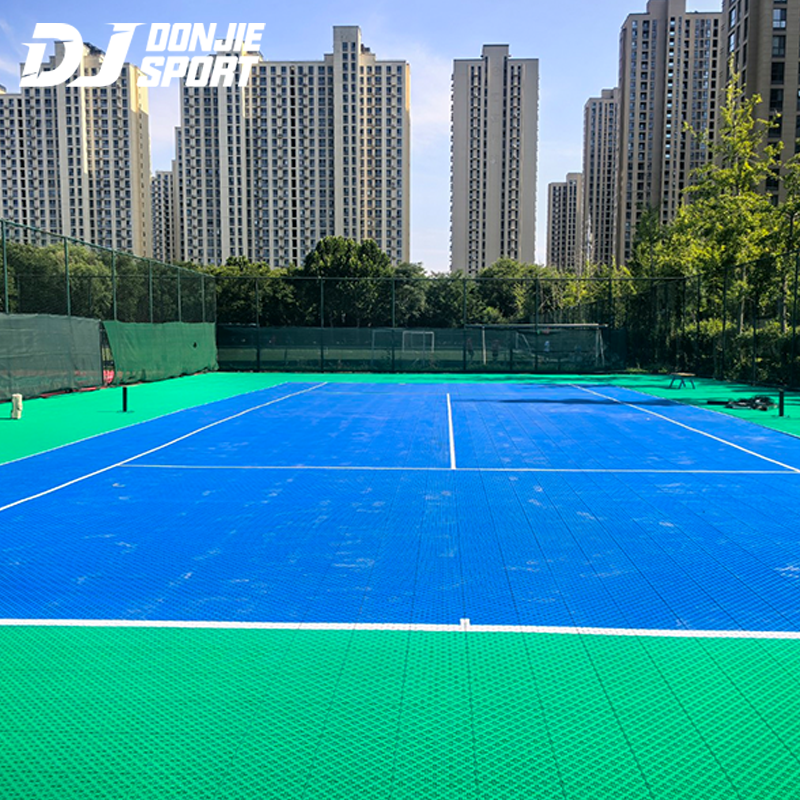
Recreational or community spaces with outdoor courts should prioritize weather resistance, safety, and long-term durability.
Common Mistakes When Selecting Badminton Court Flooring
One common mistake is using indoor Badminton Court Flooring materials outdoors, which can lead to rapid deterioration. Another is overlooking maintenance requirements when comparing flooring options.
Choosing flooring based solely on price rather than lifecycle value can result in higher long-term costs.
Long-Term Cost and Value of Badminton Court Flooring
High-quality Badminton Court Flooring offers better value over time by reducing injuries, minimizing repairs, and maintaining consistent performance. Considering installation, maintenance, and replacement costs provides a clearer picture of true investment value.
Final Thoughts on Indoor and Outdoor Badminton Court Flooring
Understanding the difference between indoor and outdoor Badminton Court Flooring helps facility owners make smarter decisions. Each type serves a specific purpose, and selecting the right flooring ensures player safety, optimal performance, and long-term cost efficiency.