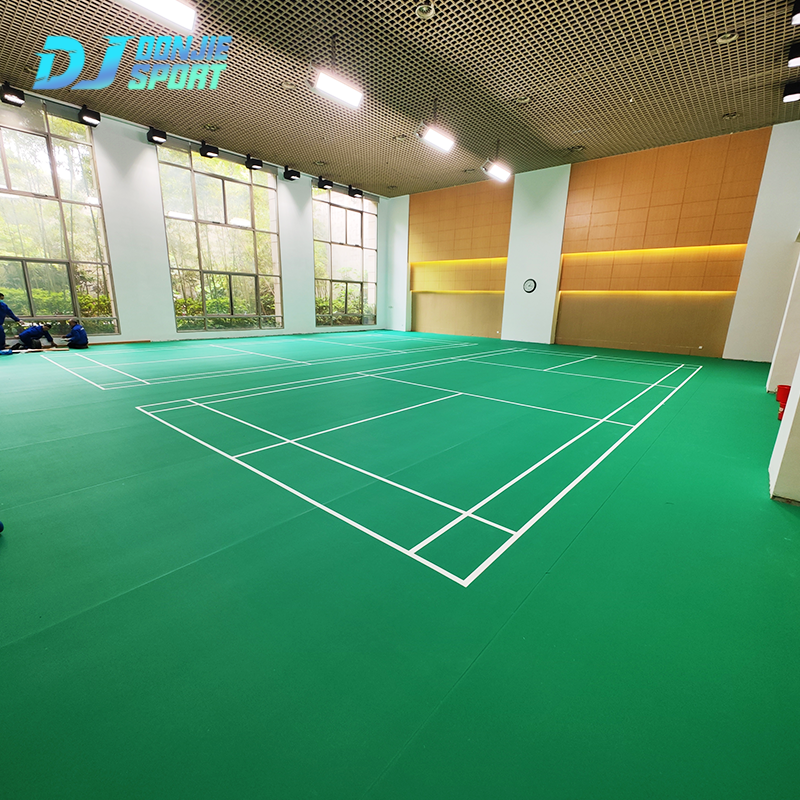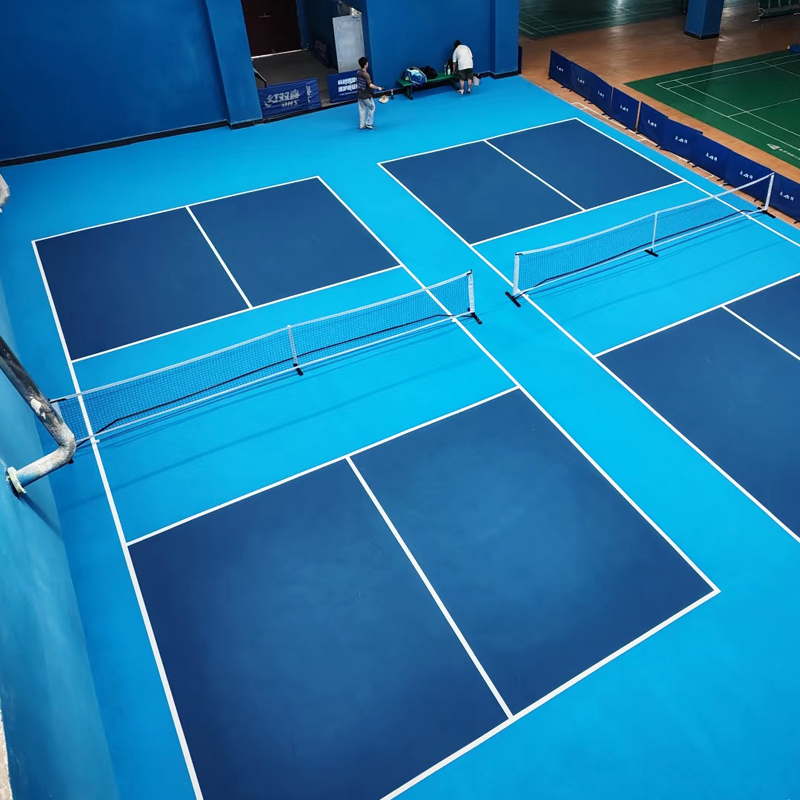
Player safety is a cornerstone of competitive and recreational badminton. While training, skill, and equipment like rackets and shoes are often emphasized, the impact of the court itself—particularly the flooring and mats—is sometimes overlooked. The surface on which players perform affects traction, shock absorption, and overall stability, which in turn influences injury risk and athletic performance. Choosing the right badminton court flooring and mats can prevent slips, reduce joint stress, and create a safer playing environment for everyone, from beginners to professional athletes. Understanding the materials, construction, and maintenance of these surfaces is essential for both safety and performance.
Understanding Badminton Court Flooring
What Constitutes a Safe Badminton Court Flooring
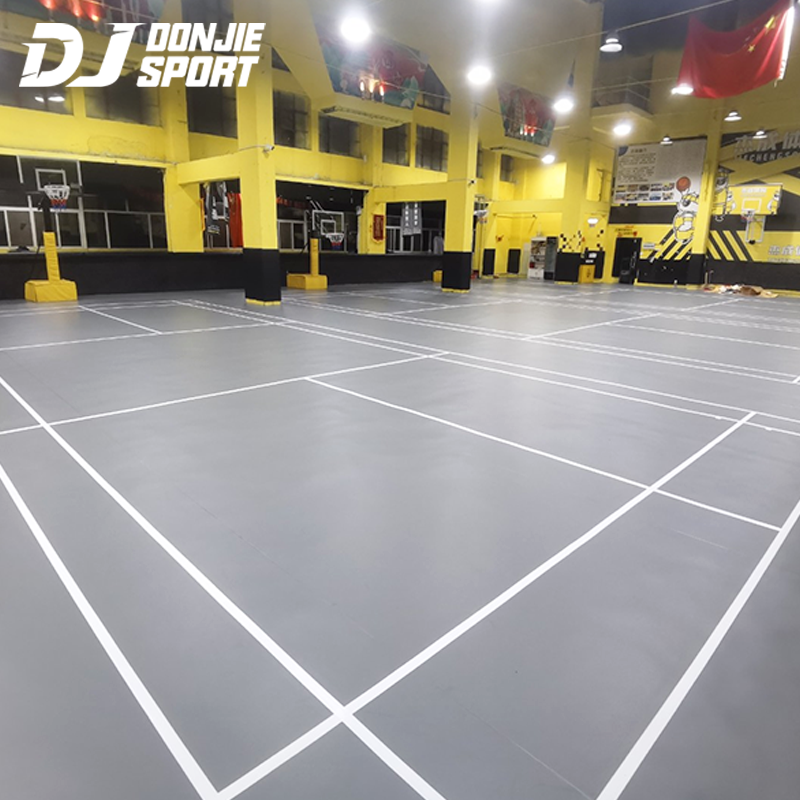
A safe badminton court flooring must combine durability, traction, and cushioning. Common materials include hardwood, synthetic vinyl, PVC, and specialized rubber surfaces. Hardwood provides consistent bounce and excellent stability, while synthetic and PVC floors often offer enhanced shock absorption, reducing the strain on knees and ankles. Surface friction is equally important—too slippery, and the risk of falls increases; too sticky, and abrupt stops can lead to joint injuries. A high-quality court surface balances traction and smooth movement, ensuring players can change direction quickly without compromising safety.
Role of Flooring Thickness and Density in Safety
The thickness and density of badminton court flooring directly influence how impact forces are absorbed. Thicker floors generally provide better cushioning, reducing the risk of repetitive stress injuries to knees, hips, and lower back. However, overly soft surfaces can destabilize players and increase the risk of ankle twists. Ideal flooring combines moderate thickness with high-density materials, offering a stable yet forgiving surface. Proper density ensures the floor maintains its shape under heavy play, minimizing uneven spots that could cause trips or slips.
Badminton Court Mats: An Additional Layer of Safety
Purpose of Badminton Court Mats
Mats serve as an extra layer of protection on badminton courts. They enhance traction, especially in high-traffic areas like near the net and service lines, and provide localized cushioning where players frequently land or pivot. Mats can prevent slips caused by sweat accumulation or minor surface irregularities and can also protect the underlying floor from wear and damage.
Material Choices for Mats and Their Safety Benefits
Common mat materials include rubber, PVC, and foam-backed composites. Rubber mats are known for superior slip resistance, making them ideal for preventing falls. PVC mats offer durability and moderate cushioning, while foam-backed mats add extra shock absorption to high-impact areas. Selecting the right mat material depends on the level of play, the existing floor type, and the frequency of use. High-quality mats can significantly reduce joint strain and prevent acute injuries during fast-paced movements.
Placement and Coverage Considerations
Strategic placement of mats enhances safety without compromising playability. Critical areas include the net region, corners where players change direction rapidly, and service lines where sudden stops are common. Ensuring mats are flat, properly aligned, and free of gaps is essential, as poorly placed mats can become tripping hazards. Uniform coverage and careful integration with the court flooring maximize both safety and performance.
Common Safety Risks and How Flooring and Mats Mitigate Them
Slips and Falls
Slips are one of the most common injuries in badminton, often caused by sweat, dust, or uneven surfaces. Proper court flooring combined with anti-slip mats significantly reduces this risk. Mats with high friction surfaces and flooring finishes that prevent moisture accumulation help players maintain stability during rapid footwork, minimizing falls and associated injuries.
Joint and Muscle Injuries
Hard surfaces transmit more impact to the knees, ankles, and lower back, leading to acute or chronic injuries. Cushioned synthetic flooring and strategically placed mats absorb shock, reducing joint stress. This protective layer is especially important for tournaments or training sessions with extended playtime, where repetitive jumps and lunges can strain muscles and ligaments.
Long-Term Player Health
Repetitive strain injuries develop over time and can be exacerbated by inadequate court surfaces. High-quality badminton court flooring and mats distribute impact forces evenly, preserving player health and prolonging athletic careers. Consistent use of safe surfaces encourages proper movement mechanics and reduces cumulative wear on joints, allowing players to train longer and more safely.
Maintenance Practices for Maximum Safety
Regular Cleaning and Surface Inspection
Maintaining court safety requires routine cleaning to remove dust, sweat, and debris that can reduce traction. Inspecting both the flooring and mats for signs of wear, warping, or damage ensures the surface remains consistent and hazard-free.
Replacing Worn-Out Mats and Flooring Sections
Even high-quality mats and floors degrade over time. Worn surfaces compromise traction and cushioning, increasing injury risk. Regularly replacing damaged sections ensures the court maintains optimal safety and performance standards.
Ensuring Consistent Traction and Shock Absorption
Rotating mats and applying recommended surface treatments to flooring preserve traction and impact absorption. Attention to these details guarantees that every player experiences the same safe playing conditions, regardless of court location or play intensity.
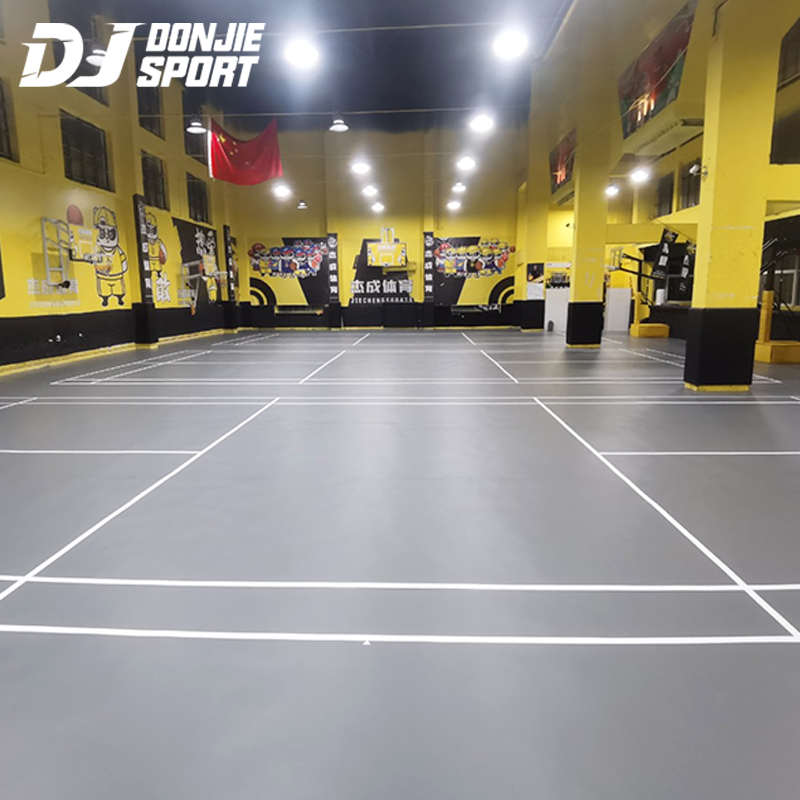
Choosing the Right Flooring and Mats for Your Court
Indoor vs. Outdoor Considerations
Indoor courts prioritize shock absorption and traction, often relying on hardwood or synthetic surfaces paired with mats. Outdoor courts require weather-resistant materials such as specialized PVC or rubber flooring to maintain safety in variable conditions. Understanding the environment is critical to selecting materials that protect players effectively.
Budget vs. Safety Trade-offs
While budget constraints may tempt court owners to choose cheaper flooring or mats, investing in high-quality materials pays off in injury prevention and player satisfaction. Cost-effective options exist that balance durability, cushioning, and traction without compromising safety. Prioritizing long-term player protection is a more sustainable choice than cutting corners upfront.
Professional Recommendations
Industry standards and certifications provide guidance on safe badminton court flooring and mats. Associations often recommend specific shock absorption levels, anti-slip properties, and material durability. Following these guidelines ensures compliance with professional safety standards and helps court operators maintain a safe environment for players.
Conclusion
The choice of badminton court flooring and mats plays a decisive role in player safety. Properly selected surfaces provide traction, cushioning, and impact resistance, reducing the risk of slips, falls, and joint injuries. Regular maintenance, strategic mat placement, and adherence to professional recommendations further enhance safety and performance. For players, coaches, and facility managers, investing in high-quality flooring and mats is not just a matter of comfort—it is a proactive step toward injury prevention and long-term athletic success.