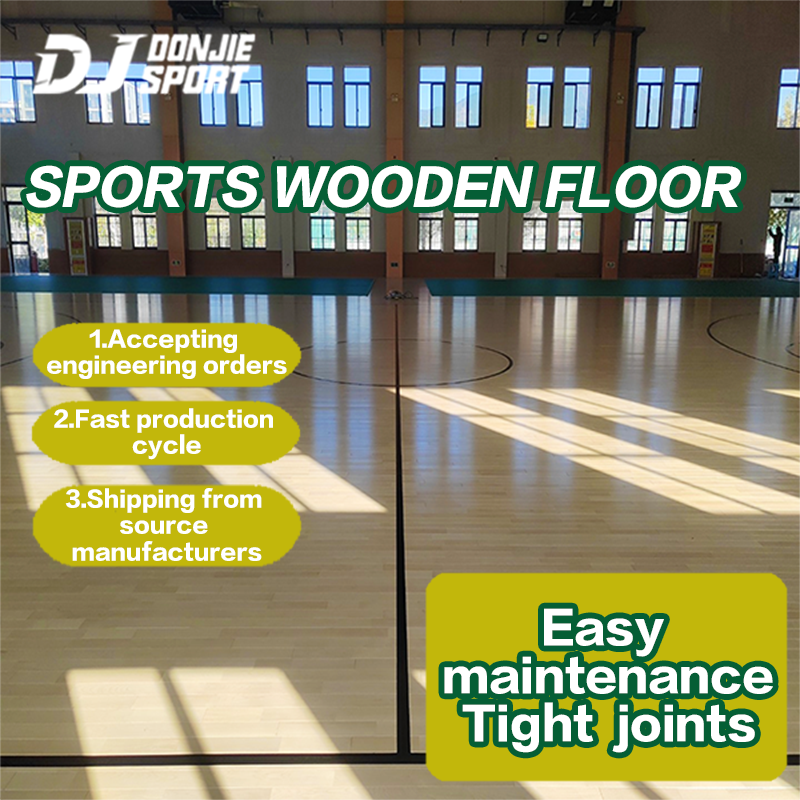
Wooden flooring for badminton courts has long been considered the gold standard in professional indoor sports facilities. Its timeless appeal combines aesthetic elegance with superior performance, providing players with a surface that enhances both comfort and agility. Unlike synthetic alternatives, wooden floors offer a natural feel that reduces fatigue, supports long training sessions, and creates a professional environment that athletes and spectators alike can appreciate. In this article, we will explore the benefits of wooden flooring for badminton courts, the types available, installation and maintenance tips, and how it compares with other flooring options.
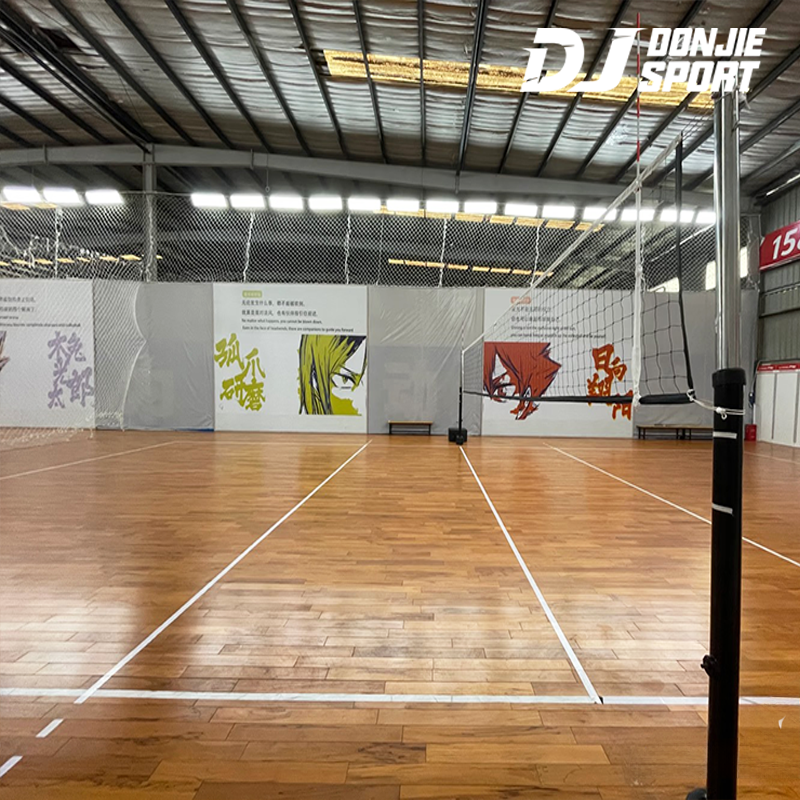
The Advantages of Wooden Flooring for Badminton Courts
Enhanced Player Comfort and Safety
One of the primary reasons sports facilities invest in wooden flooring for badminton courts is player safety and comfort. Wood naturally absorbs shocks, reducing the impact on knees, ankles, and joints during rapid movements and jumps. This shock absorption is crucial for preventing long-term injuries, especially for professional players who engage in high-intensity training. The surface provides the right balance of firmness and flexibility, allowing players to move quickly without feeling unstable or strained.
Superior Performance and Bounce
Wooden floors offer consistent and predictable shuttlecock bounce, a critical factor in competitive badminton. The smooth and even surface allows players to execute rapid directional changes, lunges, and jumps with precision. Unlike some synthetic surfaces, wooden flooring maintains its bounce quality over time, ensuring consistent gameplay. This reliability makes wooden flooring the preferred choice for tournaments and high-performance training facilities.
Aesthetic Appeal and Timeless Style
Beyond functionality, wooden flooring for badminton courts adds an element of sophistication to any indoor sports hall. The natural grains and polished finish create a professional and inviting environment, enhancing the overall visual appeal. Whether hosting competitions or recreational play, wooden courts convey a sense of quality and class, complementing the design of modern sports facilities.
Different Types of Wooden Flooring for Badminton Courts
Solid Hardwood Flooring
Solid hardwood is the most traditional and durable option for badminton courts. Typically made from maple or oak, it offers excellent shock absorption, superior longevity, and a natural bounce. Solid hardwood floors are ideal for professional-level courts due to their performance consistency and ability to withstand heavy traffic. However, they require proper installation and regular maintenance to prevent warping or damage from moisture.
Engineered Wood Flooring
Engineered wood flooring combines a top layer of natural hardwood with a multi-layered plywood base. This design makes it more dimensionally stable and less susceptible to humidity fluctuations than solid wood. Engineered wood provides a cost-effective alternative while maintaining many performance benefits of solid hardwood. It is particularly suitable for multi-purpose indoor halls where budget constraints are a consideration without compromising playing quality.
Bamboo Flooring
Bamboo has emerged as a sustainable and eco-friendly option for wooden badminton floors. It offers a unique aesthetic and comparable performance to traditional hardwood. Bamboo flooring is naturally resilient and can handle moderate sports traffic while contributing to environmentally conscious facility design. While not as widely used in professional tournaments, bamboo remains a stylish and practical choice for recreational or mid-level competitive courts.
Installation and Maintenance of Wooden Flooring for Badminton Courts
Preparing the Subfloor and Site Conditions
Successful installation starts with a properly prepared subfloor. Ensuring level surfaces, controlling moisture, and eliminating imperfections are critical for the longevity of wooden flooring. Any unevenness can affect gameplay and damage the wood over time. Professional assessment and preparation are essential steps before laying the flooring.
Professional Installation Techniques
Wooden flooring can be installed using floating or glued systems. Floating installations allow the floor to expand and contract naturally, reducing the risk of warping. Glued installations, often preferred for professional courts, provide maximum stability and uniformity. Expansion gaps must be carefully incorporated to accommodate natural wood movement and prevent buckling. Proper alignment and precision during installation ensure optimal performance and aesthetic quality.
Regular Maintenance Practices
Maintaining wooden flooring for badminton courts is crucial to preserve its functionality and appearance. Regular cleaning, avoiding excessive moisture, and using protective finishes extend the life of the court. Sanding and refinishing may be required over time to restore shine and smoothness. Additionally, monitoring for scratches, dents, or surface wear ensures that the floor remains safe and visually appealing.
Comparing Wooden Flooring with Other Badminton Court Flooring Options
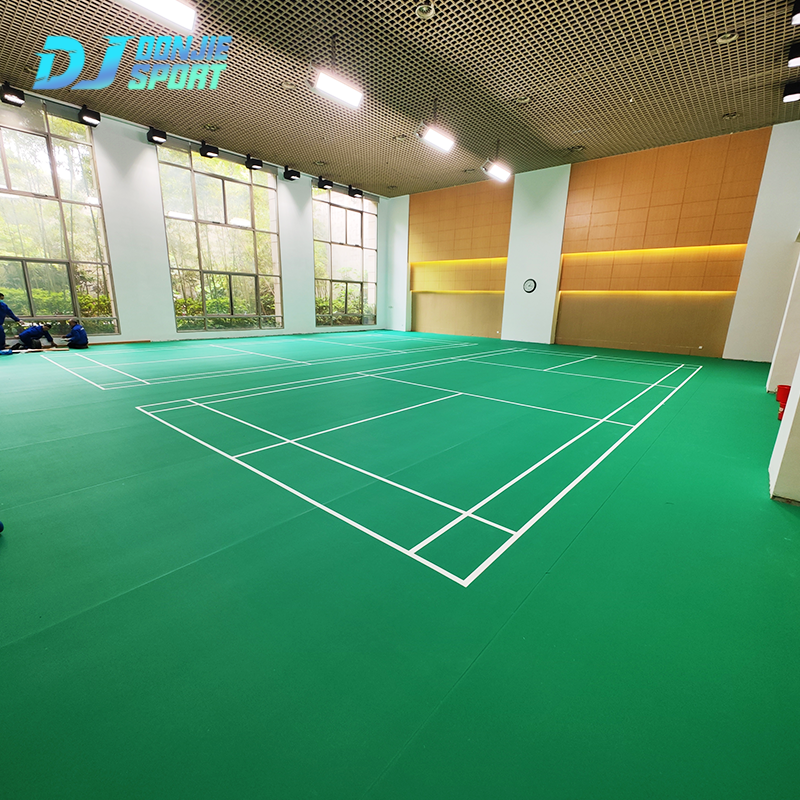
Wooden Flooring vs. Synthetic Flooring
Synthetic floors, such as PVC or polyurethane, offer lower upfront costs and easier installation. However, they often lack the natural comfort, bounce, and aesthetic appeal of wood. Wooden flooring provides superior shock absorption, making it safer for high-intensity play and long-duration sessions.
Wooden Flooring vs. PVC Mats
PVC mats are popular for temporary or multi-purpose courts due to portability and low maintenance. Yet, they can feel less stable underfoot, and their bounce may degrade faster than wooden flooring. For players seeking consistent performance and a professional feel, wooden floors remain the preferred option.
Choosing the Right Flooring for Your Facility
When selecting badminton court flooring, facility managers should balance budget, expected usage, and aesthetic goals. For high-performance, professional, or tournament-ready courts, wooden flooring offers unmatched reliability, comfort, and style. For multi-purpose or recreational spaces, engineered wood or bamboo may provide the perfect compromise.
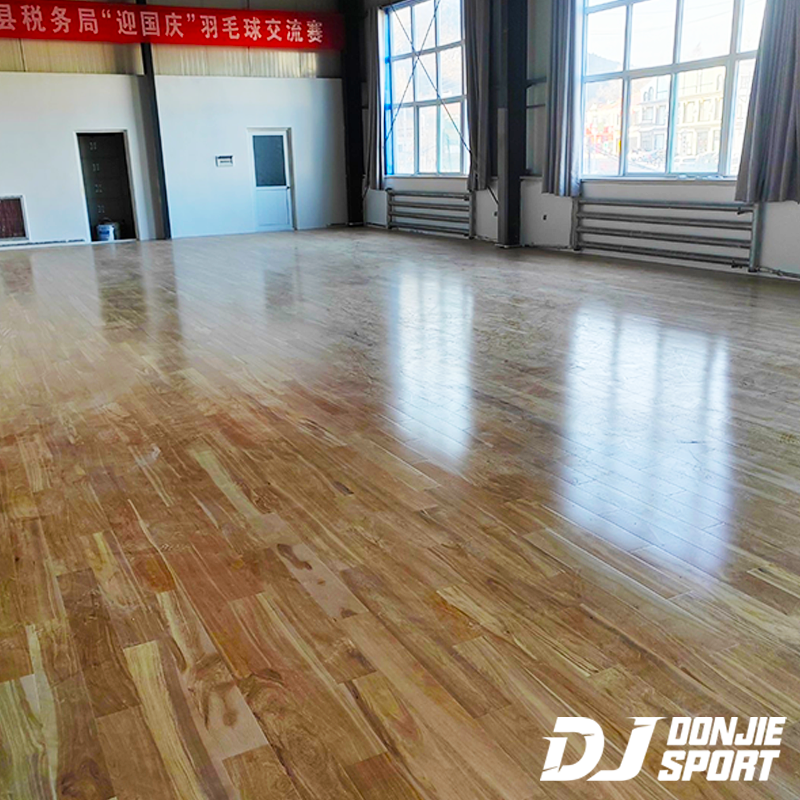
FAQs About Wooden Flooring for Badminton Courts
How long does wooden badminton flooring last?
With proper installation and maintenance, wooden floors can last 20–30 years, maintaining performance and appearance.
Can wooden floors handle heavy sports traffic?
Yes, particularly solid hardwood and high-quality engineered wood are designed to endure frequent use without significant wear.
Is wooden flooring suitable for multi-purpose sports halls?
Engineered wood or hybrid solutions are ideal for multi-purpose halls, providing performance and durability while accommodating different sports.
Conclusion
Wooden flooring for badminton courts continues to be a top choice for sports facilities worldwide due to its classic appeal, superior comfort, and consistent performance. From solid hardwood to engineered wood and bamboo, these floors offer options that balance aesthetics, durability, and budget considerations. Proper installation and maintenance ensure longevity, while the natural feel and professional look enhance every player’s experience. Whether for professional tournaments, recreational play, or multi-purpose sports halls, investing in wooden flooring elevates both the performance and style of your facility.