Badminton Court Flooring plays a crucial role in determining player comfort, safety, and overall game quality. Unlike general sports surfaces, badminton flooring must support fast footwork, sudden directional changes, and repetitive jumping while maintaining consistent grip and shock absorption. Selecting the right flooring material directly impacts athlete performance, injury prevention, and the long-term usability of the court.
Why Choosing the Right Badminton Court Flooring Matters
Choosing suitable Badminton Court Flooring is not only about appearance or budget. The right flooring reduces strain on joints, improves movement control, and enhances shuttle response. Poor flooring choices can lead to frequent injuries, uneven bounce, higher maintenance costs, and reduced player satisfaction, especially in competitive or high-traffic venues.
Overview of Popular Badminton Court Flooring Options
Among the many flooring solutions available today, synthetic and wooden Badminton Court Flooring remain the most widely used options. Each material offers unique advantages depending on venue type, usage frequency, and performance expectations. Understanding how these two options compare helps facility owners make informed decisions.
What Is Synthetic Badminton Court Flooring
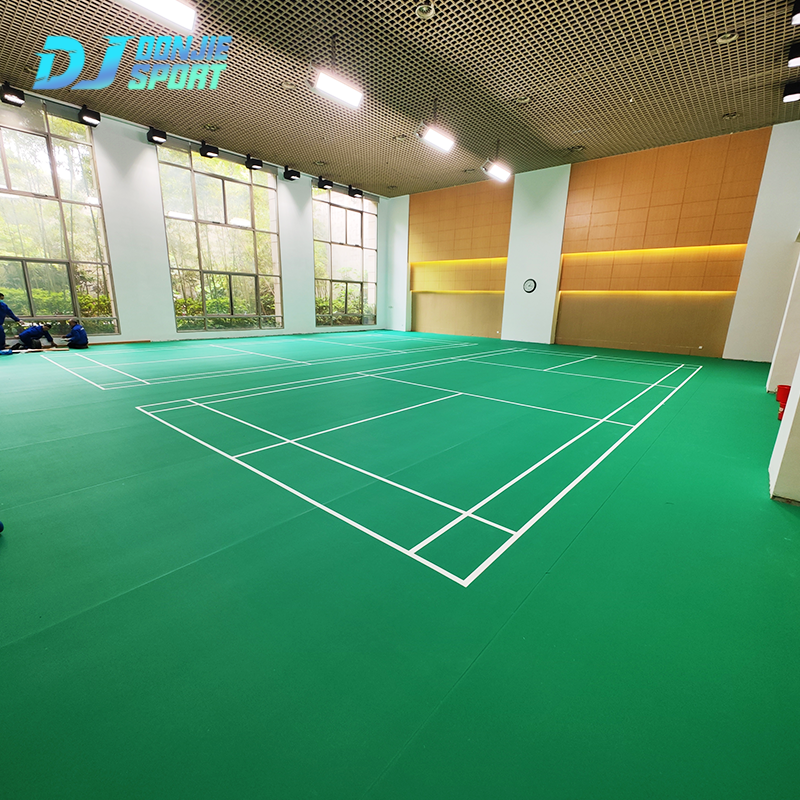
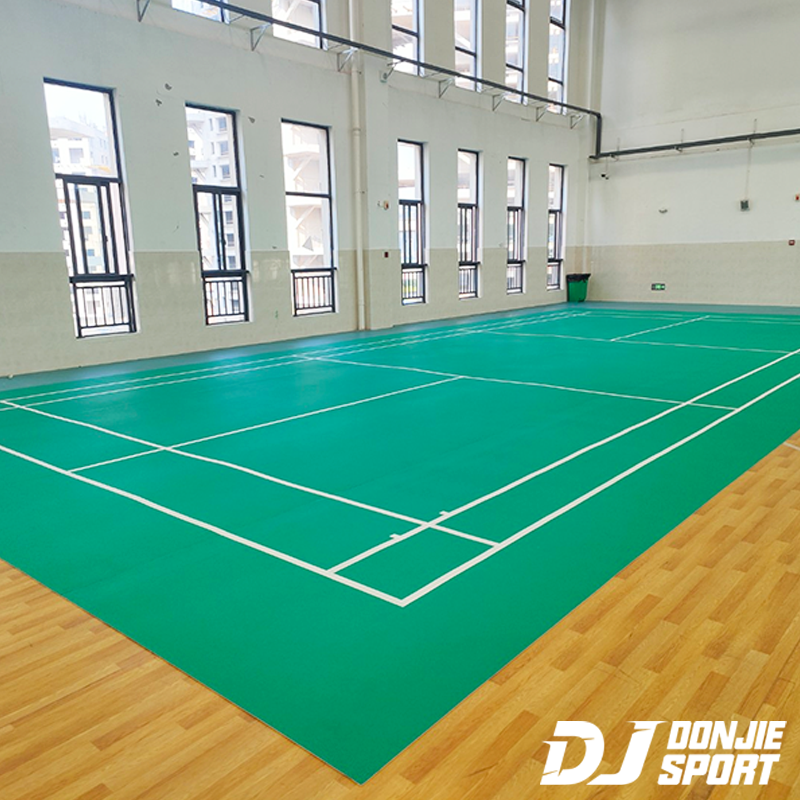
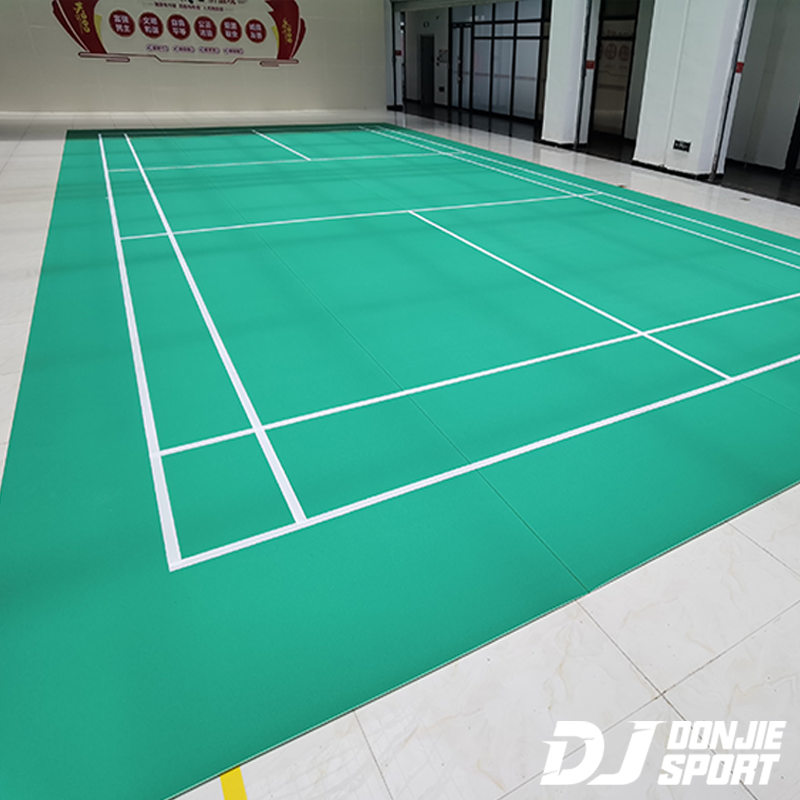
Synthetic Badminton Court Flooring typically consists of PVC or vinyl layers combined with foam or fiberglass backing. These surfaces are engineered to deliver controlled grip, shock absorption, and consistent playability across the entire court. Synthetic flooring is commonly supplied in rolls or modular mats, making it adaptable to different spaces.
Performance Advantages of Synthetic Badminton Court Flooring
Synthetic Badminton Court Flooring provides excellent slip resistance and uniform traction, allowing players to move confidently during fast rallies. Its shock-absorbing layers help reduce fatigue and minimize impact stress on knees and ankles. Many professional and training facilities prefer synthetic surfaces due to their predictable playing characteristics.
Durability and Maintenance of Synthetic Badminton Court Flooring
One of the key strengths of synthetic Badminton Court Flooring is its durability. It resists moisture, temperature changes, and surface wear, making it suitable for multi-purpose and high-use venues. Maintenance is simple, usually requiring routine cleaning without the need for polishing or resurfacing.
Cost Considerations for Synthetic Badminton Court Flooring
Synthetic Badminton Court Flooring is generally more budget-friendly than wooden alternatives. Lower installation costs, minimal subfloor preparation, and reduced maintenance expenses make it an attractive option for schools, community centers, and commercial sports complexes seeking cost efficiency.
Ideal Applications for Synthetic Badminton Court Flooring
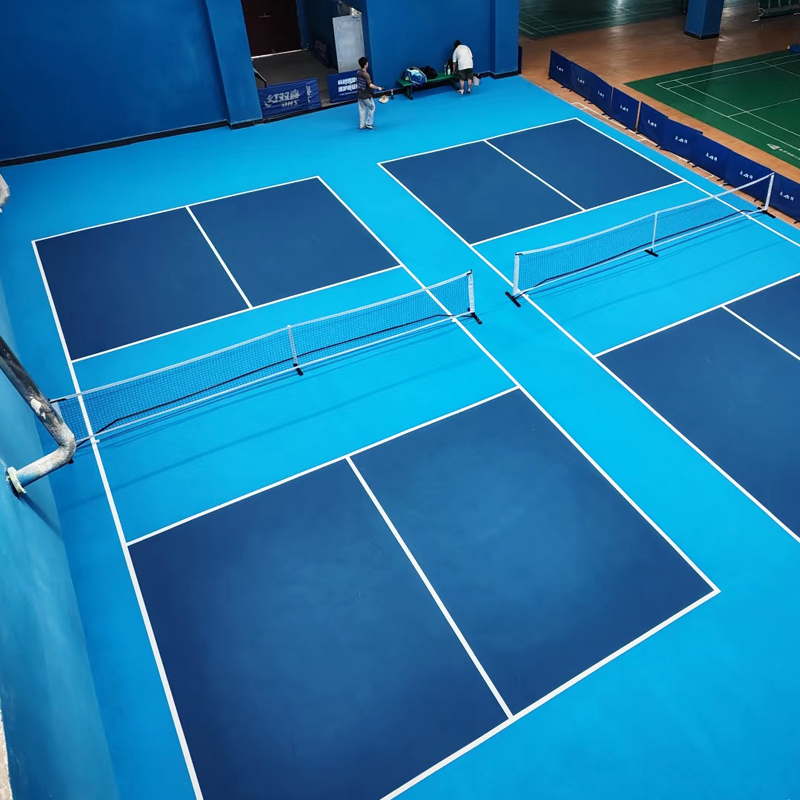
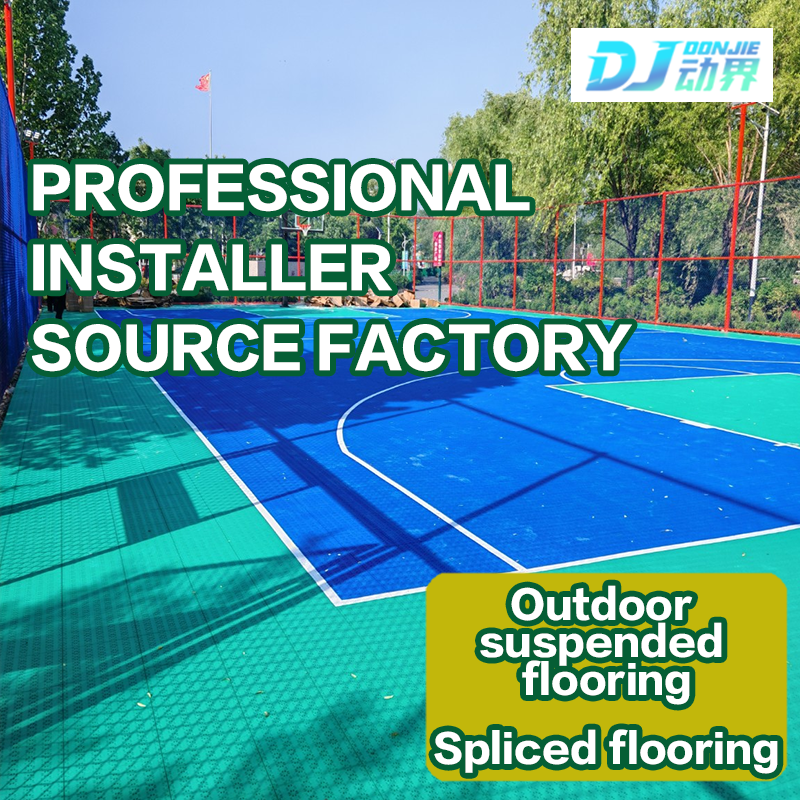
Synthetic flooring is ideal for training centers, multi-sport halls, temporary courts, and facilities that require fast installation and flexibility. It performs well in both recreational and professional environments where durability and ease of maintenance are priorities.
What Is Wooden Badminton Court Flooring
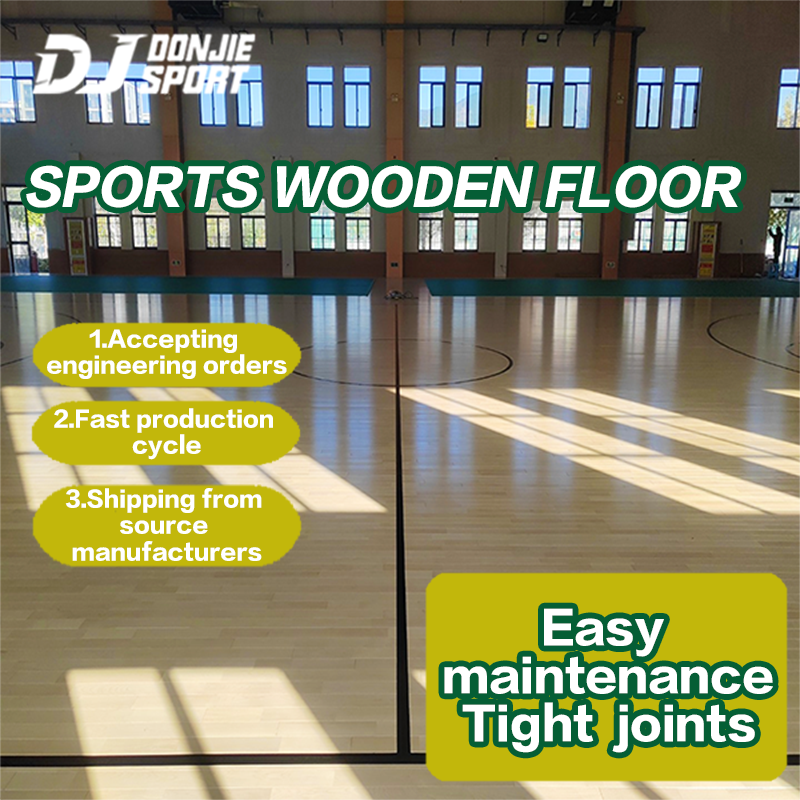
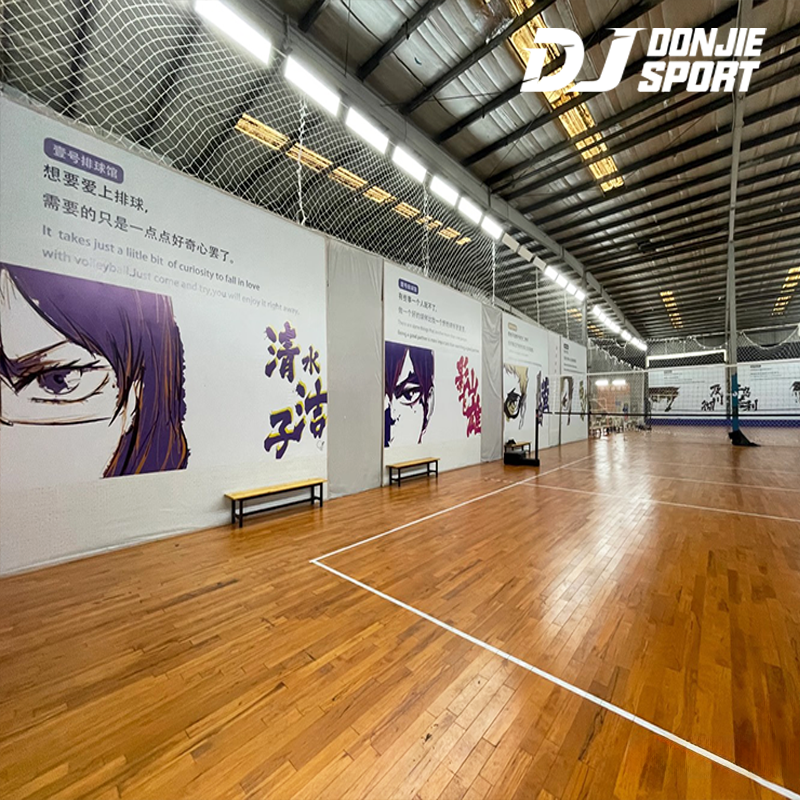
Wooden Badminton Court Flooring is traditionally made from hardwood species such as maple or beech, installed over a sprung subfloor system. This classic flooring option has long been associated with professional tournaments and elite-level play due to its natural feel and premium appearance.
Performance Benefits of Wooden Badminton Court Flooring
Wooden Badminton Court Flooring offers excellent energy return and natural shock absorption when properly installed. Players often appreciate the authentic response and smooth movement provided by wooden surfaces, which can enhance footwork precision and overall playing experience.
Durability and Maintenance of Wooden Badminton Court Flooring
While wooden Badminton Court Flooring can last for decades, it requires careful maintenance. Regular cleaning, periodic refinishing, and strict humidity control are essential to prevent warping or surface damage. Maintenance costs are higher compared to synthetic alternatives.
Cost Considerations for Wooden Badminton Court Flooring
Wooden Badminton Court Flooring involves higher upfront investment due to material costs, complex installation, and subfloor requirements. Long-term ownership costs may also increase because of refinishing and climate control needs, making it more suitable for dedicated badminton facilities.
Ideal Applications for Wooden Badminton Court Flooring
Wooden flooring is best suited for professional arenas, elite training centers, and venues focused solely on badminton. Facilities that prioritize aesthetics, tradition, and top-tier performance often favor wooden Badminton Court Flooring despite the higher cost.
Synthetic vs Wooden Badminton Court Flooring: Key Differences
When comparing synthetic and wooden Badminton Court Flooring, differences emerge in cost, maintenance, installation, and flexibility. Synthetic flooring excels in versatility and affordability, while wooden flooring stands out in tradition and premium playing feel. Both options can meet international standards when properly specified.
Player Comfort and Injury Prevention Comparison
Both flooring types offer shock absorption, but synthetic Badminton Court Flooring provides more consistent cushioning across the surface. Wooden floors depend heavily on the quality of the subfloor system. For high-volume usage, synthetic flooring often delivers better long-term injury prevention.
Installation Requirements and Time Comparison
Synthetic Badminton Court Flooring is faster to install and can often be laid over existing surfaces. Wooden flooring requires a longer installation process, including subfloor construction, acclimatization, and finishing, which can increase downtime for the facility.
Long-Term Value and Lifecycle Cost Analysis
From a lifecycle perspective, synthetic Badminton Court Flooring typically offers better value due to lower maintenance and replacement costs. Wooden flooring may justify its expense in high-end venues where branding, prestige, and elite performance are essential.
Environmental Impact of Badminton Court Flooring Materials
Modern synthetic Badminton Court Flooring increasingly incorporates recyclable materials and low-emission manufacturing processes. Wooden flooring relies on natural resources and sustainable forestry practices, making responsible sourcing a critical consideration for environmentally conscious projects.
How to Choose Between Synthetic and Wooden Badminton Court Flooring
Selecting the right Badminton Court Flooring depends on budget, usage intensity, target players, and facility goals. Synthetic flooring suits multi-purpose and budget-conscious projects, while wooden flooring aligns with premium, single-sport environments focused on tradition and elite play.
Common Mistakes When Selecting Badminton Court Flooring
Common mistakes include prioritizing cost over performance, ignoring maintenance requirements, and choosing flooring without considering usage frequency. Consulting flooring specialists and understanding long-term needs helps avoid costly errors.
Future Trends in Badminton Court Flooring Solutions
The future of Badminton Court Flooring is moving toward advanced synthetic materials with improved cushioning, eco-friendly production, and enhanced durability. Hybrid systems combining performance and sustainability are gaining popularity worldwide.
Final Thoughts on Selecting the Best Badminton Court Flooring
Both synthetic and wooden Badminton Court Flooring offer unique advantages. The best choice balances performance, safety, maintenance, and budget while aligning with the facility’s long-term vision. Making an informed decision ensures a high-quality playing environment for years to come.