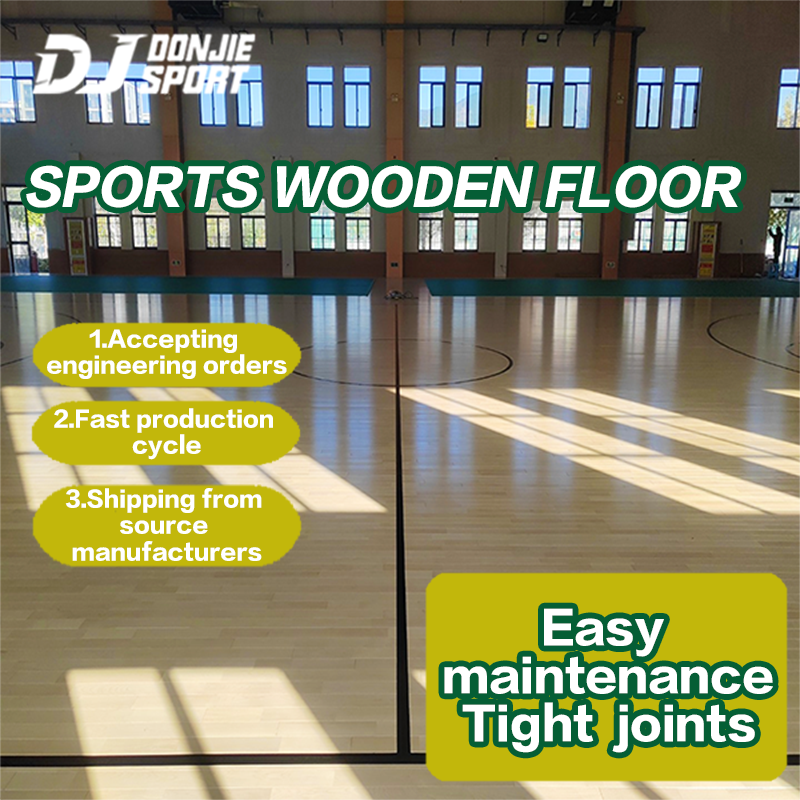
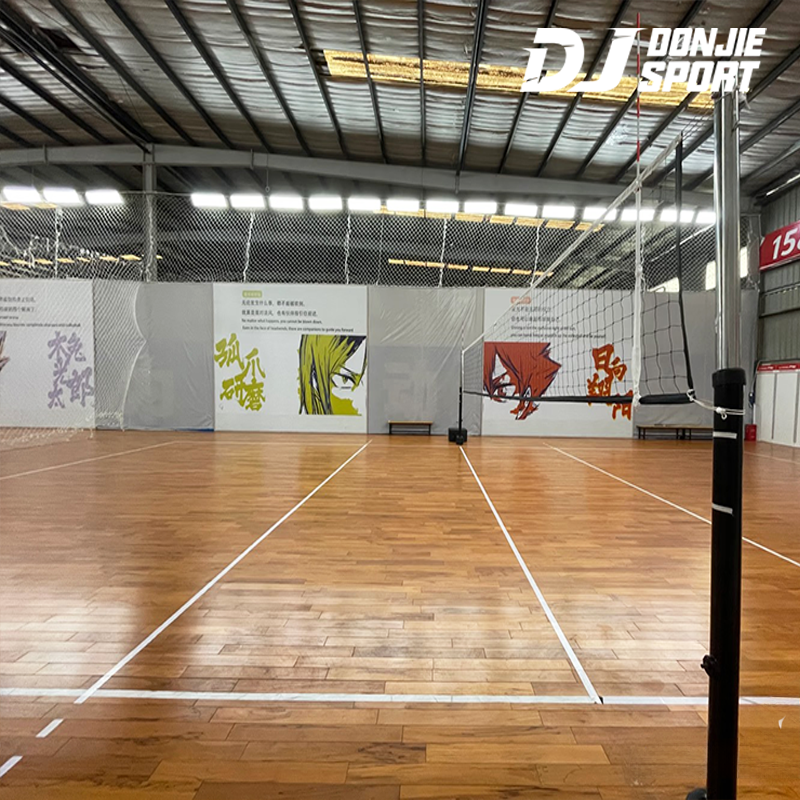
Wooden flooring for badminton courts is widely regarded as a premium choice for both professional and recreational facilities. Its combination of durability, performance, and aesthetics makes it a popular option among sports clubs, schools, and competitive arenas. Choosing the right flooring is critical because it directly affects player safety, gameplay quality, and long-term maintenance costs. Unlike synthetic alternatives, wooden flooring provides a natural feel underfoot, offering superior shock absorption and consistent shuttlecock bounce. This article explores the key advantages, potential drawbacks, installation considerations, and essential maintenance tips for wooden badminton court floors.
Benefits of Wooden Flooring for Badminton Courts
Enhanced Shock Absorption and Reduced Injury Risk
One of the most significant advantages of wooden flooring is its ability to absorb shock effectively. This reduces stress on players’ knees, ankles, and joints, helping prevent injuries during intense rallies or long practice sessions. The natural flexibility of wood creates a more forgiving surface compared to harder synthetic materials.
Optimal Grip and Consistent Bounce
Wooden floors offer excellent traction, which improves footwork and agility on the court. This ensures that players can change direction quickly without slipping. Additionally, wooden flooring provides a consistent shuttlecock bounce, allowing for more predictable gameplay and better performance during competitive matches.
Longevity and Durability When Properly Maintained
High-quality hardwood floors, such as maple or oak, can last for decades when installed and maintained correctly. Unlike temporary flooring solutions, wooden courts can withstand frequent use while retaining their structural integrity and appearance.
Aesthetic Appeal and Professional Appearance
Wooden floors have a classic and professional look that enhances the overall ambiance of a badminton facility. The warm tones and natural grain of wood create an inviting environment for players and spectators alike.
Environmental and Sustainability Considerations
Many wooden flooring options are sourced from responsibly managed forests, making them an eco-friendly choice. Additionally, wood is biodegradable and can be recycled at the end of its lifespan, reducing environmental impact compared to synthetic materials.
Drawbacks of Wooden Flooring for Badminton Courts
Higher Initial Installation Costs
Wooden flooring typically requires a larger upfront investment compared to synthetic alternatives. Costs include high-quality hardwood, subfloor preparation, and professional installation services.
Sensitivity to Moisture and Humidity
Wood is a natural material that reacts to changes in moisture and humidity. Excessive dampness can cause warping, swelling, or gaps between planks. Proper climate control is essential to maintain the integrity of the court.
Regular Maintenance Requirements
Unlike some synthetic flooring options, wooden floors need ongoing maintenance to preserve their performance and appearance. This includes cleaning, polishing, and occasional surface repairs to prevent deterioration.
Potential for Scratches, Dents, and Wear Over Time
Even the most durable wooden surfaces can develop scratches or dents from heavy footwear, equipment, or constant foot traffic. Protective measures and routine upkeep are necessary to minimize visible damage.
Types of Wooden Flooring Used in Badminton Courts
Solid Hardwood Flooring
Solid hardwood is made from a single piece of timber and offers superior durability and bounce. It is ideal for professional courts but comes with higher cost and installation requirements.
Engineered Wood Flooring
Engineered wood consists of multiple layers of wood veneer, providing stability and resistance to moisture fluctuations. This option can be more budget-friendly while still offering many of the benefits of solid hardwood.
Maple vs. Oak vs. Other Hardwood Choices
Maple is commonly preferred for badminton courts due to its hardness, uniformity, and smooth surface. Oak is another durable option, offering a slightly darker appearance and unique grain patterns. Other hardwoods may be used depending on budget and aesthetic preferences.
Surface Finishes and Coatings for Performance Enhancement
Applying specialized coatings, such as polyurethane or acrylic finishes, enhances traction, protects against wear, and reduces moisture absorption. These finishes also make cleaning and maintenance more manageable.
Installation Considerations for Wooden Flooring
Subfloor Preparation and Leveling
A properly leveled and stable subfloor is essential for wooden flooring installation. Uneven surfaces can lead to performance issues, such as inconsistent bounce or structural stress on the wood.
Professional Installation vs. DIY Options
Professional installation ensures correct plank alignment, expansion gaps, and subfloor compatibility. While DIY installations are possible, they may compromise floor longevity and performance.
Flooring Thickness and Shock Absorption Standards
Choosing the right plank thickness is critical for achieving optimal shock absorption. Standard badminton court floors range between 20–25mm, depending on usage intensity and player safety requirements.
Expansion Gaps and Seasonal Adjustments
Wood expands and contracts with temperature and humidity changes. Proper expansion gaps must be included to prevent buckling or warping during seasonal variations.
Maintenance Tips for Wooden Flooring in Badminton Courts
Routine Cleaning and Dust Removal
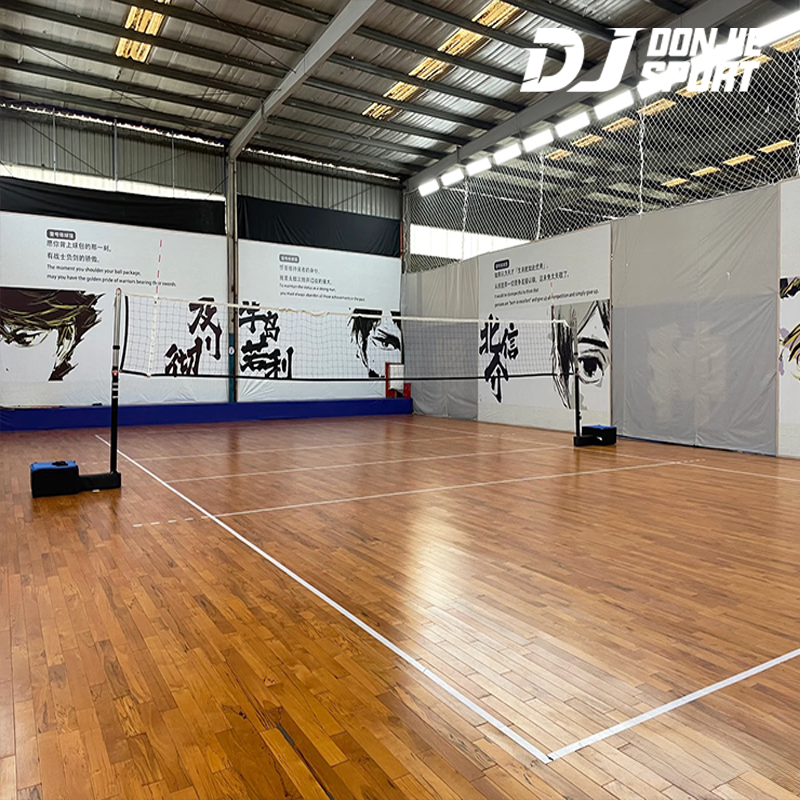
Sweeping or dry mopping the floor daily helps remove dust, grit, and debris that can scratch the surface. Occasional damp mopping with a suitable cleaner is recommended, avoiding excessive water.
Avoiding Moisture Damage and Controlling Humidity
Maintaining consistent indoor humidity levels (40–60%) prevents wood from swelling or shrinking. Avoid direct water exposure and ensure proper ventilation in the facility.
Periodic Polishing and Surface Treatments
Applying polish or protective coatings every few months restores the floor’s shine, improves traction, and protects against minor damage. Only products recommended for sports flooring should be used.
Repairing Scratches, Dents, and Minor Damage
Small scratches can be addressed with wood fillers or touch-up markers, while dents may require sanding and recoating. Prompt repairs prevent damage from worsening over time.
Long-Term Maintenance for Longevity and Performance
Scheduling regular professional inspections ensures that the flooring remains safe and functional. Refinishing or replacing worn planks when necessary preserves both aesthetics and performance.
Cost Factors and Investment Considerations
Comparing Wooden Flooring Prices to Other Court Flooring Options
While wooden flooring has a higher initial cost than PVC or vinyl alternatives, its longevity and superior playing characteristics often justify the investment in professional settings.
Long-Term Cost vs. Short-Term Savings
Opting for cheaper materials may reduce upfront expenses but can lead to higher maintenance costs and shorter lifespan, ultimately increasing long-term expenditures.
ROI in Professional and Recreational Settings
Investing in wooden flooring enhances player experience, safety, and facility reputation. For clubs and schools, this can attract more members and provide better returns over time.
Choosing the Right Wooden Flooring for Your Facility
Assessing Usage Frequency and Player Intensity
High-traffic courts used for tournaments or daily training require thicker, high-grade hardwood for durability. Recreational courts may tolerate slightly lower specifications at a reduced cost.
Matching Flooring Type to Budget and Performance Goals
Facilities must balance budget limitations with desired performance outcomes. Engineered wood can offer a middle ground between cost and functionality.
Considering Warranty, Brand Reputation, and Installation Support
Selecting a reputable flooring brand with warranties and professional installation services ensures reliability and reduces the risk of early deterioration.
Conclusion
Wooden flooring for badminton courts offers a blend of performance, safety, and aesthetic appeal that is unmatched by many synthetic alternatives. While the initial investment and maintenance requirements may be higher, the benefits—including shock absorption, consistent bounce, and long-term durability—make it a preferred choice for both professional and recreational settings. By carefully selecting the right wood type, ensuring professional installation, and following regular maintenance practices, facilities can maximize the lifespan and performance of their wooden courts, providing players with an optimal experience for years to come.