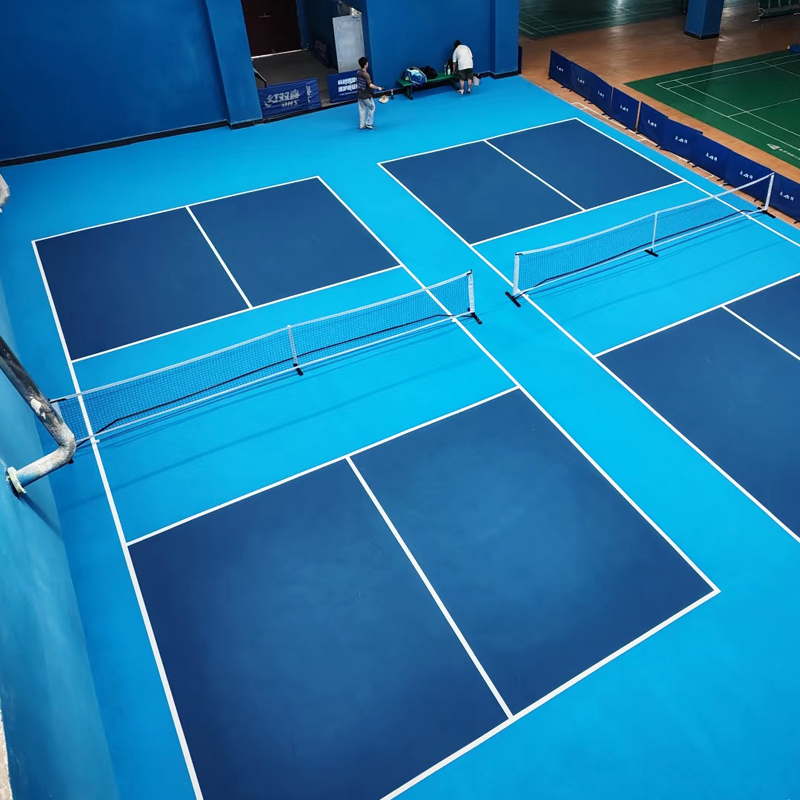
Pickleball has seen a massive surge in popularity over the last decade, attracting players of all skill levels to both recreational and professional courts. As the sport grows, it’s becoming increasingly important for facility owners and players to understand the impact of their court flooring choices. Whether you’re designing a new court or upgrading an existing one, the right flooring can significantly affect player safety, performance, and the overall aesthetic of the space.
In this article, we’ll explore the top indoor pickleball court flooring options available today, breaking down the pros and cons of each to help you make an informed decision for your facility. Whether you’re looking for cost-effective solutions or a high-end professional surface, we’ve got you covered.
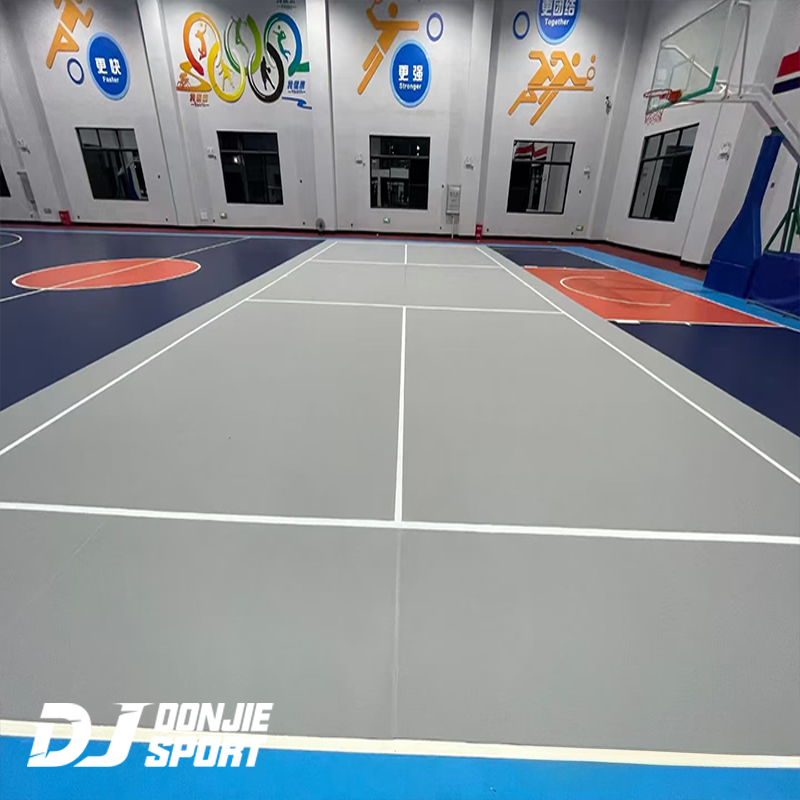
Why Choosing the Right Indoor Pickleball Court Flooring Matters
When it comes to pickleball, the flooring plays a crucial role in the quality of the game. The right flooring choice impacts everything from player comfort and injury prevention to game speed and bounce consistency. Here are some key reasons why selecting the best flooring for your indoor pickleball court is essential:
1. Safety Considerations
Pickleball is a high-energy sport that involves quick lateral movements and sudden stops. Flooring that offers good traction is essential to prevent slips and falls. For this reason, many courts are designed with slip-resistant surfaces that help players maintain control during intense matches.
Additionally, flooring that offers adequate cushioning can reduce the risk of joint injuries, such as knee and ankle strain, which is a common concern for players of all ages.
2. Impact on Game Performance
The type of flooring also influences the speed and bounce of the ball. Some surfaces, like hardwood, provide a consistent bounce, which is crucial for a competitive game. Other materials, such as rubber or foam, can alter the ball’s behavior, which might be desirable in recreational settings but not ideal for professional play.
The flooring’s ability to maintain consistency under different conditions (e.g., humidity, temperature) is also important for preserving game quality.
3. Durability and Maintenance
Indoor courts can face heavy traffic, especially in high-use areas like gyms and community centers. Durability is a key consideration when selecting flooring, as you want a surface that will withstand frequent use over time without needing frequent repairs or replacement.
Some flooring materials require regular maintenance to keep them in optimal condition, while others are more low-maintenance, which is ideal for busy facilities. The upfront investment should also be balanced with the long-term maintenance costs.
Hardwood Flooring for Pickleball Courts
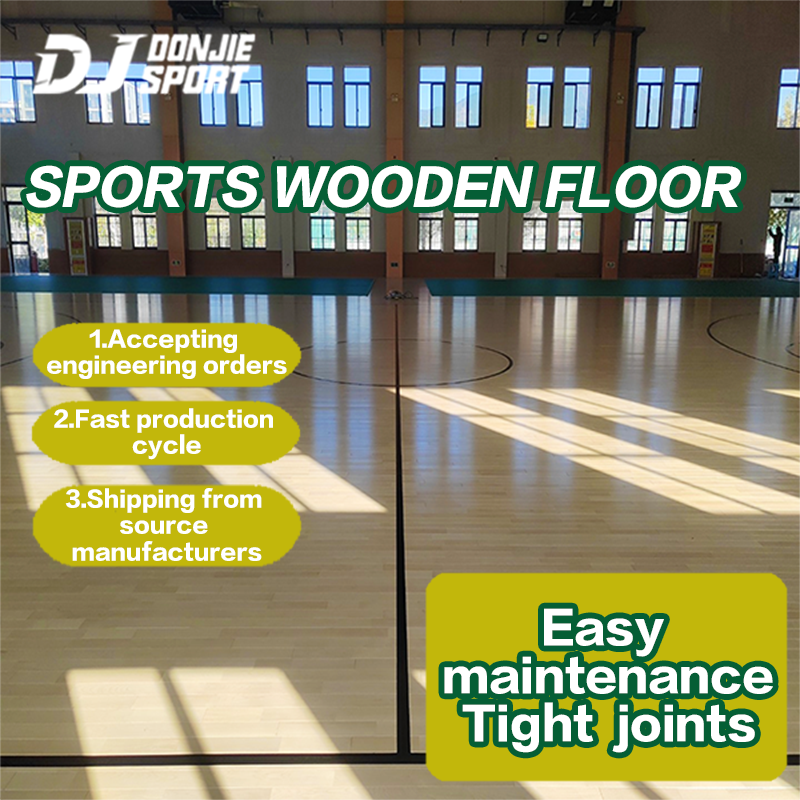
Hardwood floors have been a popular choice for sports courts for decades, and they continue to be a top contender for indoor pickleball courts. Hardwood provides a professional and polished look that appeals to high-end facilities and competition venues.
Benefits
-
Classic Appeal: The aesthetic of hardwood is timeless and provides a premium feel.
-
Consistent Bounce: The smooth, firm surface ensures a reliable ball bounce, making it ideal for competitive play.
-
Durability: When well-maintained, hardwood floors can last for years, even with frequent use.
Drawbacks
-
High Maintenance: Hardwood requires regular polishing and refinishing to maintain its luster and performance.
-
Cost: It tends to be one of the more expensive flooring options, both in terms of installation and upkeep.
Best for
Professional venues and high-traffic areas where aesthetics and performance are top priorities.
Synthetic Rubber Flooring
Synthetic rubber flooring is known for its shock absorption properties, making it a great choice for players concerned about joint health. It’s also a durable option that can withstand heavy foot traffic, making it ideal for gyms and recreational centers.
Benefits
-
Shock Absorption: The rubber surface reduces the impact on players’ joints.
-
Slip Resistance: Offers excellent traction, reducing the risk of falls.
-
Durability: Resists wear and tear, making it suitable for high-traffic environments.
Drawbacks
-
Softness: The material may feel too soft for some players, affecting ball bounce and playability.
-
Initial Cost: While generally more affordable than hardwood, it still represents a significant investment.
Best for
Community centers, recreation facilities, and gyms where player comfort and safety are key concerns.
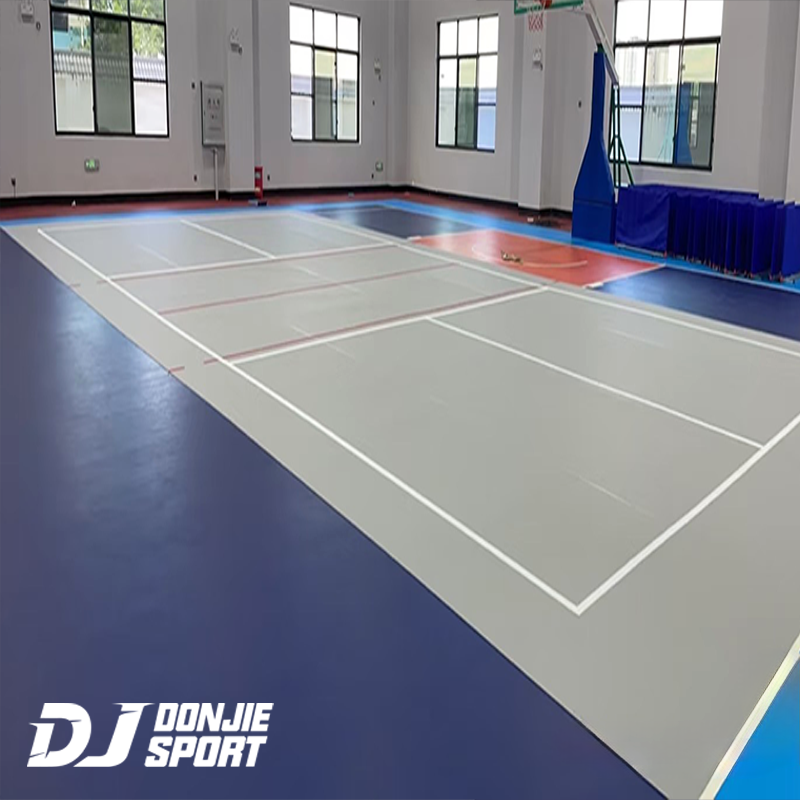
PVC Flooring for Indoor Pickleball Courts
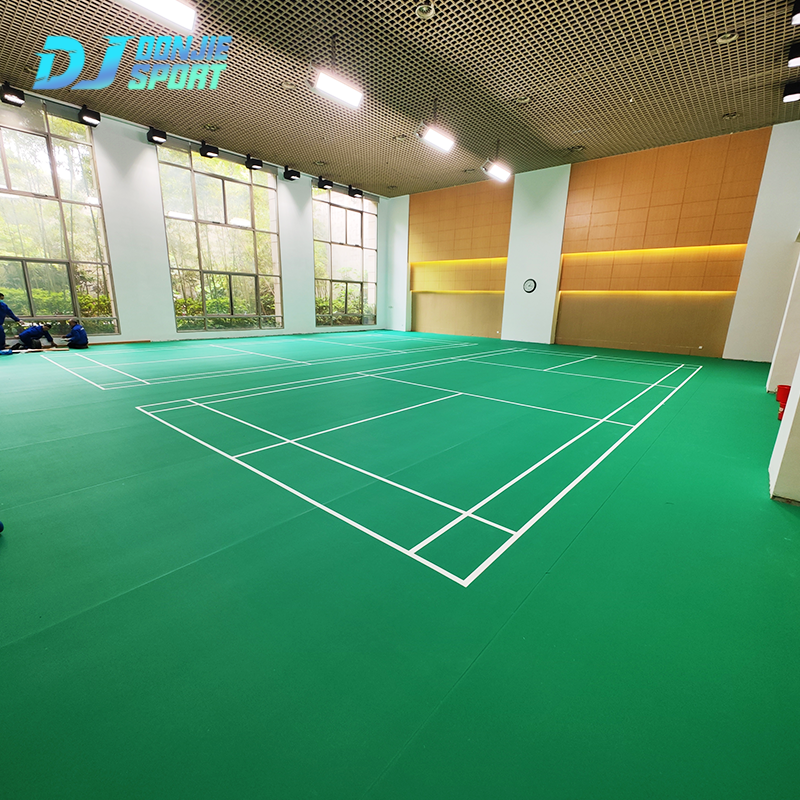
Polyvinyl chloride (PVC) flooring is a cost-effective and versatile option, making it a popular choice for many indoor pickleball courts. It is relatively easy to install and requires little maintenance.
Benefits
-
Affordability: PVC flooring is generally more affordable than hardwood or rubber.
-
Low Maintenance: The smooth surface is easy to clean and maintain, saving time and money on upkeep.
-
Durability: Resistant to scratches and scuffs, ensuring long-lasting performance.
Drawbacks
-
Aesthetic Limitations: PVC doesn’t offer the same aesthetic appeal as hardwood or cork, which might not suit high-end venues.
-
Bounce Variability: While durable, the ball bounce may not be as consistent as other surfaces.
Best for
Budget-conscious facilities or those looking for an easy-to-install and maintainable option.
Vinyl Flooring for Pickleball Courts
Vinyl flooring is another affordable option that is commonly used in gyms and recreational spaces. It provides a wide variety of design options, allowing venues to tailor the look of their courts to match their overall aesthetic.
Benefits
-
Easy to Clean: Vinyl is incredibly low-maintenance, requiring only periodic sweeping and mopping.
-
Cost-Effective: One of the more affordable options, especially for larger spaces.
-
Versatility: Available in numerous styles and colors to suit different venue needs.
Drawbacks
-
Wear and Tear: It may wear down more quickly compared to harder surfaces, especially in high-traffic areas.
-
Less Professional Appeal: While functional, it doesn’t carry the same professional look as hardwood or other premium materials.
Best for
Multi-purpose venues and recreational centers with moderate traffic.
Sports Tile Flooring
Sports tile flooring consists of interlocking tiles designed specifically for sports facilities. These tiles are quick to install and easy to replace, making them a practical solution for courts that experience high usage or need frequent maintenance.
Benefits
-
Modular: Easy to install, remove, and replace individual tiles if damaged.
-
Customizable Design: Offers flexibility in design, allowing courts to be tailored to the specific needs of the venue.
-
Durability: Strong and resistant to damage from high-impact play.
Drawbacks
-
Seam Visibility: Over time, seams between the tiles may loosen, potentially affecting the smoothness of the playing surface.
-
Price: High-quality sports tiles can be expensive, especially if a large area needs to be covered.
Best for
Temporary setups, or venues that require flexibility and frequent updates to their flooring.
Foam-backed Flooring
Foam-backed flooring offers excellent cushioning and is often used in recreational spaces. It’s comfortable underfoot, which helps minimize the strain on players’ joints.
Benefits
-
Joint Protection: The foam backing provides superior comfort and protection for joints, making it a good choice for older players or those with physical concerns.
-
Cost-Effective: Generally affordable, especially when compared to hardwood or rubber.
Drawbacks
-
Durability: Foam-backed flooring may not be as long-lasting as other materials.
-
Ball Bounce: It can alter the bounce of the ball, which might not be ideal for competitive play.
Best for
Recreational courts and community centers with a focus on comfort.
Artificial Grass Flooring
Artificial grass has a unique appeal, providing a soft surface that mimics outdoor courts. While not as common as other flooring options, it is a great choice for venues looking for something different.
Benefits
-
Aesthetic Appeal: Offers a fresh, natural look that sets it apart from traditional flooring.
-
Shock Absorption: Similar to foam, it provides a softer landing for players.
-
Comfort: Ideal for long playing sessions where player comfort is a priority.
Drawbacks
-
Maintenance: Requires more frequent cleaning to prevent dirt buildup.
-
Professional Play: The ball bounce may not be as predictable as on harder surfaces.
Best for
Venues looking for a unique aesthetic and comfort-focused flooring.
Cork Flooring
Cork flooring is a sustainable and eco-friendly option that offers excellent cushioning. It has a distinct appearance and is comfortable to play on, although it may not be as common in pickleball courts.
Benefits
-
Sustainability: Cork is an eco-friendly material, making it a great option for environmentally-conscious facilities.
-
Shock Absorption: Offers a comfortable and forgiving surface for players’ joints.
-
Aesthetic: Unique and stylish, cork can bring a sophisticated look to a court.
Drawbacks
-
Durability: Cork can wear down more quickly than synthetic options, especially in high-traffic environments.
-
Cost: Higher-end cork options can be expensive.
Best for
Environmentally-conscious venues or those looking for a premium look with added comfort.
Rubber Roll Flooring
Rubber roll flooring is another popular choice for indoor pickleball courts, especially in venues where durability and safety are top priorities.
Benefits
-
Seamless Installation: Rubber rolls are installed as one continuous piece, reducing the chance of seams loosening over time.
-
Slip Resistance: Excellent traction and durability.
-
Impact Absorption: Provides great cushioning for players’ joints.
Drawbacks
-
Design Limitations: Limited color and design options compared to tiles or vinyl.
-
Cost: Can be pricier than some other options.
Best for
High-traffic gyms or facilities where safety and long-term durability are crucial.
Interlocking Foam Tiles
Interlocking foam tiles are another affordable flooring solution that is easy to install and replace. These tiles offer a good balance of cushioning and convenience.
Benefits
-
Easy Installation: The interlocking system allows for quick installation and easy repairs.
-
Cost-Effective: One of the more affordable options for pickleball courts.
-
Comfortable: Provides cushioning that helps reduce impact on players’ joints.
Drawbacks
-
Durability: May not be as long-lasting as rubber or hardwood flooring.
-
Ball Bounce: Can alter the speed and bounce of the ball, making it less ideal for competitive play.
Best for
Temporary courts or facilities seeking a budget-friendly flooring solution.
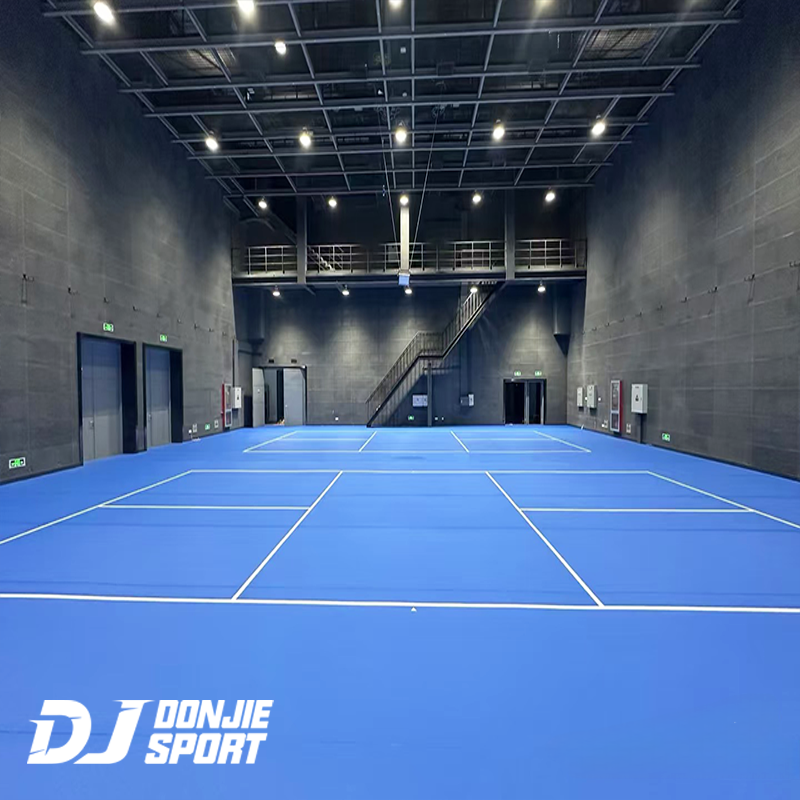
How to Choose the Right Indoor Pickleball Court Flooring for Your Facility
When selecting the best indoor pickleball court flooring, consider several factors such as the facility’s budget, the level of play, and long-term maintenance. Here are some tips for making the right choice:
-
Usage: Consider the frequency and intensity of use. High-traffic facilities will need more durable flooring options.
-
Budget: Determine your budget, factoring in both installation and long-term maintenance costs.
-
Aesthetic: The look of the flooring is important for venues looking to make a strong visual impact. Choose a material that complements the overall design of the facility.
-
Player Preferences: Comfort and performance are key. If possible, consult with players or coaches to understand their flooring needs.
Conclusion
Selecting the right indoor pickleball court flooring is crucial for ensuring a high-quality playing experience. From hardwood and PVC to synthetic rubber and foam-backed flooring, each option has its unique benefits and drawbacks. The ideal choice depends on your facility’s budget, usage, and aesthetic preferences. By considering the factors discussed in this article, you can make an informed decision that enhances both safety and performance on the court.