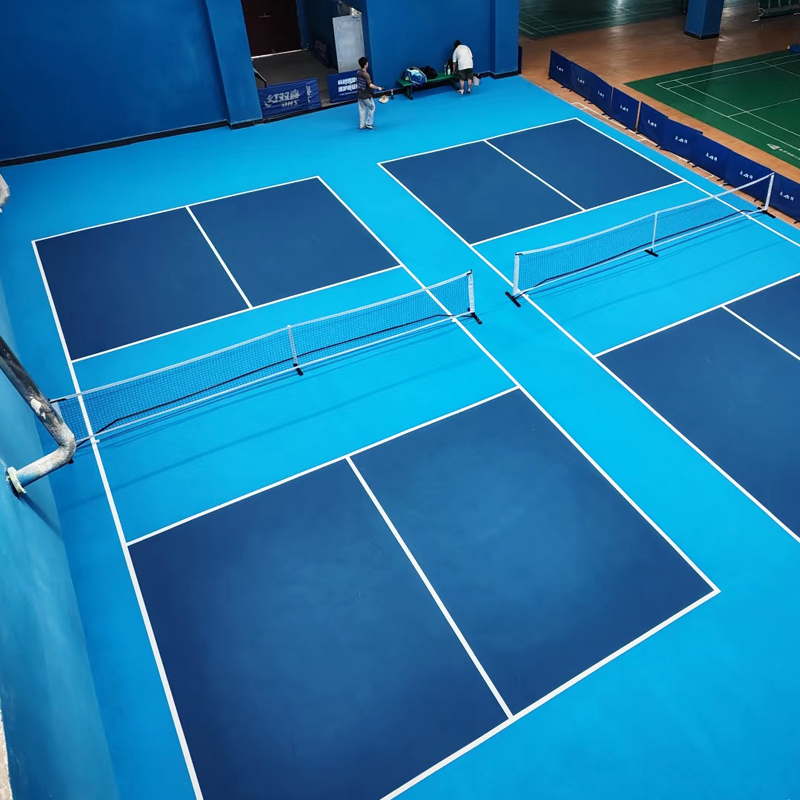
Selecting the best flooring for your indoor pickleball court is essential for ensuring both player safety and game performance. The right flooring not only improves the overall playing experience but also impacts the durability and maintenance of the court. With various flooring options available, it can be challenging to choose the one that best suits your needs. In this guide, we’ll explore the top indoor pickleball flooring choices and provide insights into factors to consider for an ideal setup.
What Makes the Best Pickleball Flooring?
When choosing flooring for your indoor pickleball court, several key factors must be considered. The best pickleball flooring should enhance player performance, ensure safety, and offer long-lasting durability. The right flooring will provide the ideal balance of traction, shock absorption, and smooth surface quality, which are crucial for both casual play and professional tournaments.
The flooring you choose should also align with the requirements of your space. Is the court located in a high-traffic area? Do you need a surface that can handle heavy use while maintaining its aesthetic appeal? These are important questions to consider when narrowing down your options.
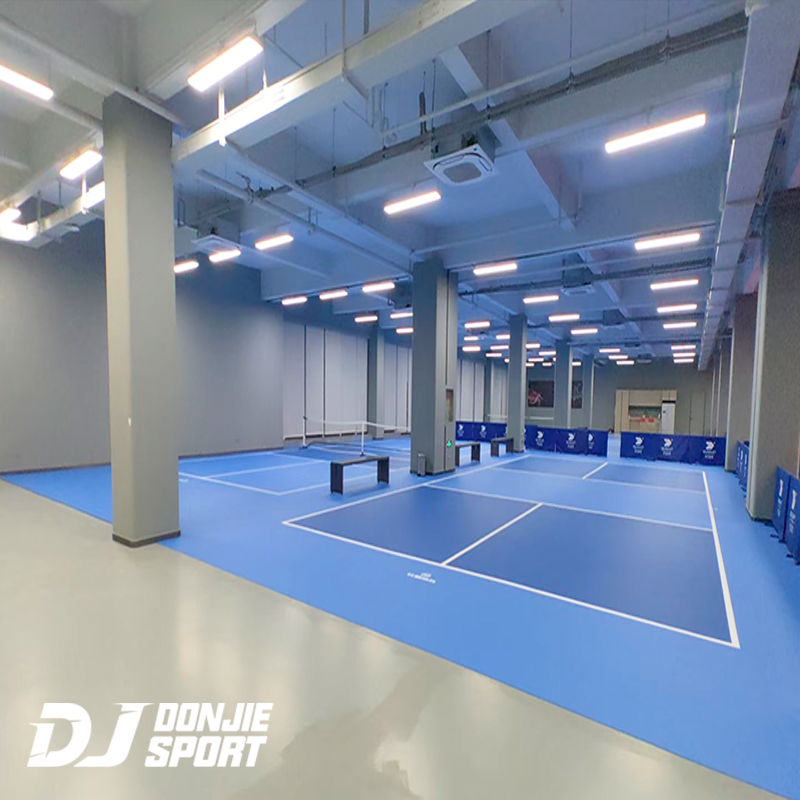
Types of Flooring Options for Indoor Pickleball Courts
-
Hardwood Flooring: Pros and Cons
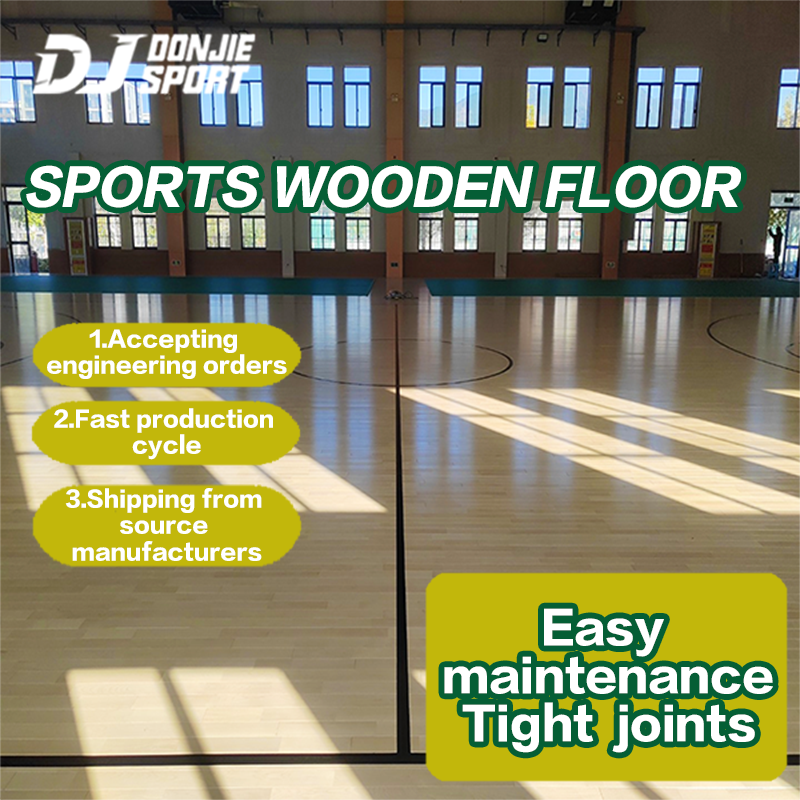
Hardwood floors are the traditional choice for indoor sports courts, including pickleball. They are known for their high-quality appearance and excellent performance. The main benefits include a smooth, consistent surface that provides good ball bounce and traction. However, hardwood requires regular maintenance to prevent warping or scratching. It can also be more expensive than other options. -
Rubber Flooring: Why It’s Ideal for Indoor Pickleball
Rubber flooring has become a popular choice for indoor pickleball courts due to its durability and comfort. The material offers excellent shock absorption, reducing stress on joints and minimizing the risk of injuries. It also provides great traction, which is vital for fast-paced games. Rubber floors are relatively low-maintenance, and their cushioned surface offers added comfort for players. -
PVC Flooring: A Durable and Affordable Choice
Polyvinyl chloride (PVC) flooring is an affordable and durable option for pickleball courts. It’s a versatile material that comes in various colors and designs, allowing for customization. PVC flooring offers great traction and is resistant to wear, making it ideal for high-traffic areas. While it’s a budget-friendly option, it may not provide the same level of shock absorption as rubber or hardwood. -
Vinyl Flooring: Comfort and Performance Combined
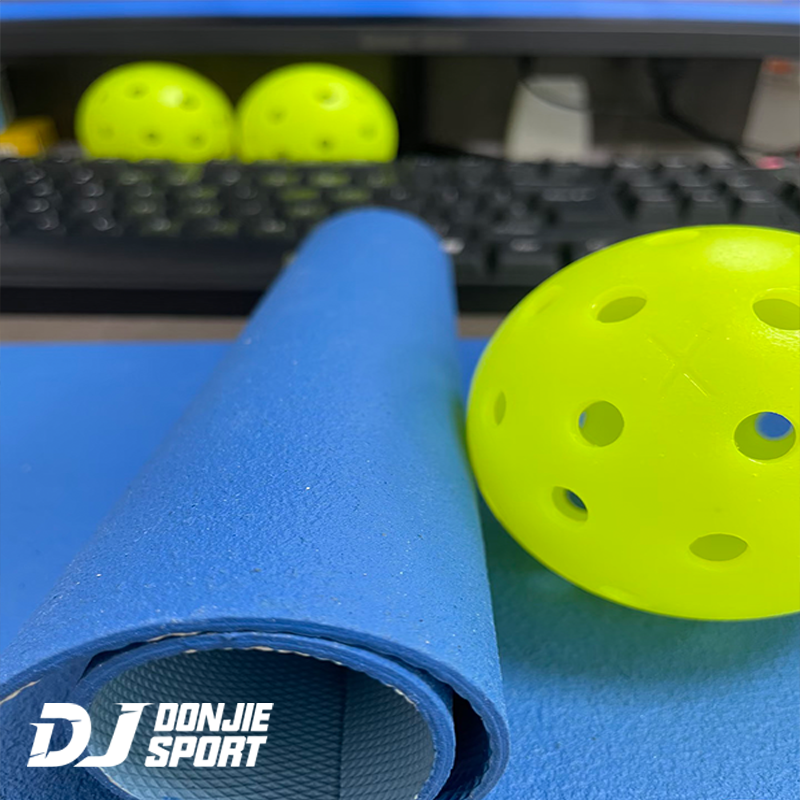
Vinyl flooring combines the benefits of both durability and comfort. This type of flooring offers excellent grip, which reduces the likelihood of slipping during play. It’s also known for its soft feel underfoot, which adds to player comfort. Vinyl is available in interlocking tiles or rolls, making it an easy flooring solution for many pickleball courts. It is highly resistant to wear and tear and requires minimal maintenance.
Key Considerations When Choosing Indoor Pickleball Flooring
-
Grip and Traction: Preventing Slips and Injuries
One of the most important aspects of any pickleball court is the traction of the flooring. The ideal surface should offer enough grip to allow players to make quick movements without the risk of slipping. Flooring materials like rubber and PVC tend to provide the right amount of traction for indoor courts. -
Shock Absorption: Importance for Player Comfort
Pickleball can be a physically demanding sport, especially on hard surfaces. Flooring that provides adequate shock absorption helps to reduce the impact on players’ joints and muscles. This is particularly important for players who play frequently or for extended periods. -
Durability: Flooring that Stands Up to Frequent Play
Pickleball courts often see heavy use, so durability is a key consideration when selecting flooring. Rubber, PVC, and vinyl floors are known for their resistance to wear and tear, making them ideal choices for busy courts. -
Maintenance Requirements: Easy to Care For and Clean
Flooring should not only be durable but also easy to maintain. Materials like vinyl and rubber flooring require minimal upkeep. On the other hand, hardwood floors need to be regularly sanded, refinished, and sealed to maintain their quality.
Performance Benefits of the Right Flooring
The flooring you choose for your indoor pickleball court can significantly affect gameplay. For example, the type of surface influences how the ball bounces. Hard surfaces like hardwood provide a more consistent bounce, while cushioned materials like rubber may slightly alter the bounce. It’s important to select a flooring type that suits your playing style and performance preferences.
Additionally, the comfort of the flooring plays a role in player movement. A well-cushioned floor can reduce fatigue and improve agility by providing a more responsive surface underfoot. This is especially important for indoor courts where players spend a lot of time on the court.
Budget and Cost-Effectiveness
The price of flooring materials can vary greatly, depending on the type and brand. While hardwood may be the most expensive option, it offers classic appeal and long-lasting durability. Rubber and vinyl floors tend to be more budget-friendly while still offering excellent performance. When choosing the best pickleball flooring for your court, it’s essential to balance cost with quality and longevity.
Installation Process and Timeframe
The installation process for indoor pickleball flooring varies depending on the material. Hardwood floors may require a more intensive installation process, while vinyl and rubber floors can be easier and quicker to install. Be sure to factor in installation costs and time when planning your project.
Maintenance and Care for Indoor Pickleball Flooring
To ensure that your indoor pickleball court stays in optimal condition, regular maintenance is necessary. Sweeping or vacuuming the court regularly will help to prevent dirt and debris from affecting performance. For rubber and vinyl floors, occasional mopping with a gentle cleaner will suffice. Hardwood floors require more extensive care, including sanding and refinishing as needed.
Conclusion:
Choosing the best pickleball flooring for your indoor court requires careful consideration of various factors, including durability, performance, maintenance, and cost. By evaluating the pros and cons of each flooring option and understanding the specific needs of your space, you can select a flooring solution that enhances gameplay and ensures long-term satisfaction.