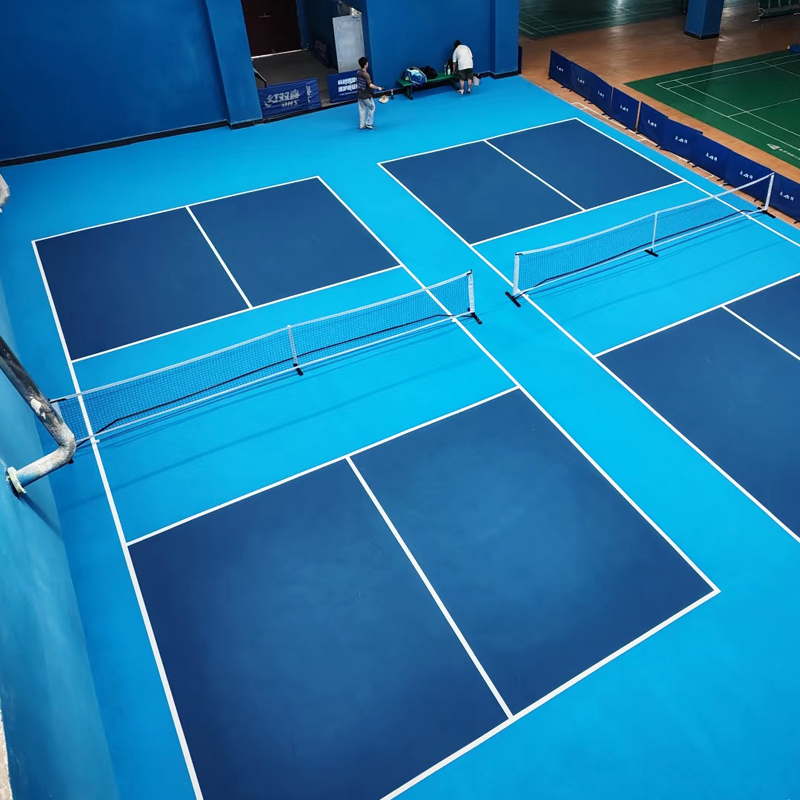
When it comes to building or upgrading a pickleball court, the choice of flooring is one of the most critical decisions that can impact both durability and player performance. The flooring material you select will determine how the ball bounces, how easy the surface is to maintain, and, most importantly, how safe and comfortable the players are during play. Whether you’re constructing an indoor or outdoor court, it’s essential to understand the unique features of various flooring materials and how they perform under different conditions. This guide will help you navigate the key considerations in choosing the best pickleball court flooring material for your needs.
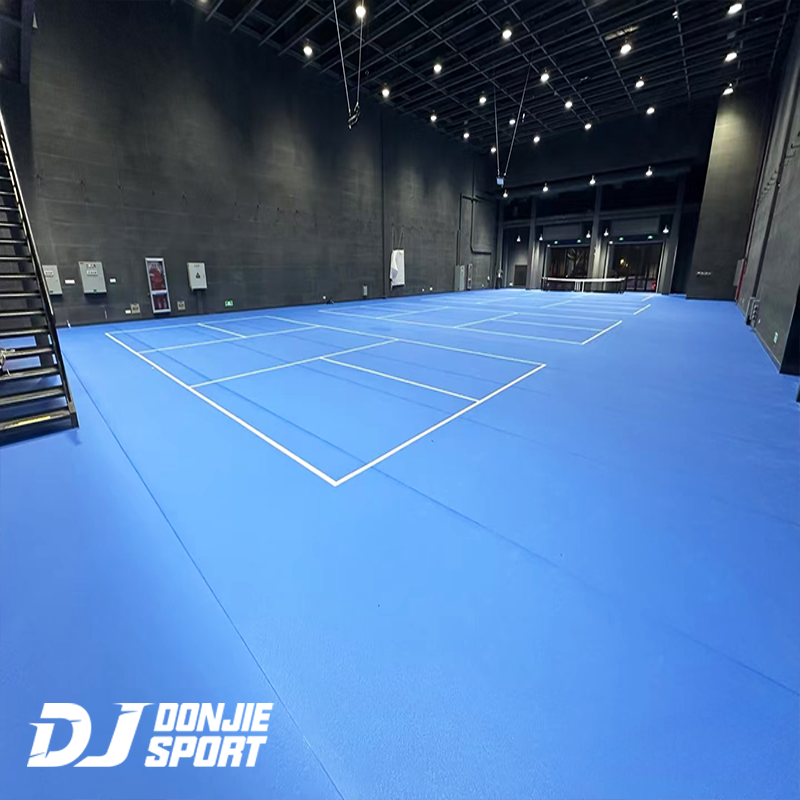
Understanding the Key Features of Pickleball Court Flooring
Durability: What Makes a Flooring Material Long-Lasting
Durability is one of the top priorities when selecting flooring for pickleball courts, as courts experience heavy foot traffic, constant impact, and exposure to outdoor elements. Flooring materials must withstand the wear and tear associated with intense play. For example, outdoor courts are more exposed to weather conditions, while indoor courts require flooring that can withstand prolonged periods of use. Materials like rubber, polyurethane, and certain types of vinyl are popular for their resilience and ability to handle high-impact sports.
Performance: How Flooring Affects Gameplay
The flooring of a pickleball court directly affects how the ball bounces, which in turn impacts gameplay. For instance, a hard, smooth surface will produce faster ball speeds and higher bounces, while a more cushioned surface will slow down the ball and reduce bounce height. Different flooring materials offer varying levels of traction, cushioning, and bounce quality, which can alter how players experience the game. The right flooring material ensures a consistent and responsive playing surface that enhances player performance.
Maintenance and Safety: The Role of Flooring in Player Safety
Maintaining a pickleball court’s flooring is essential to prolong its life and ensure player safety. A worn-out surface may present hazards such as slips, trips, and falls, especially during intense rallies. Choosing the right material ensures a safer experience and reduces the likelihood of injuries. Regular maintenance—such as cleaning, resurfacing, and checking for any cracks or imperfections—is also essential to keeping the court in optimal condition.
Types of Pickleball Court Flooring Materials
Wooden Flooring for Indoor Courts
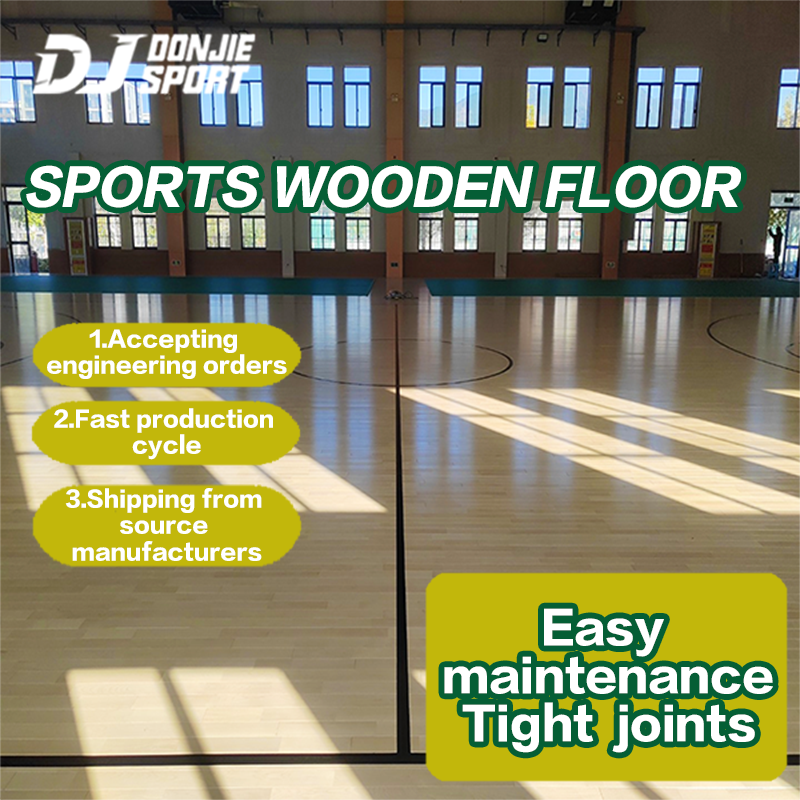
Wooden flooring is a classic choice for indoor pickleball courts. It offers a smooth, hard surface that provides consistent bounce and excellent traction, making it an ideal option for both recreational and competitive play. Hardwood, such as maple or oak, is commonly used due to its durability and aesthetic appeal. However, wooden floors may require regular maintenance to prevent damage from moisture and wear over time.
Advantages:
-
Excellent bounce quality for indoor play
-
Aesthetic appeal with natural wood finish
-
Provides good traction and grip for players
Challenges:
-
Can be expensive to install
-
Requires frequent maintenance, including refinishing and moisture control
Rubber Flooring: A Top Pick for Durability
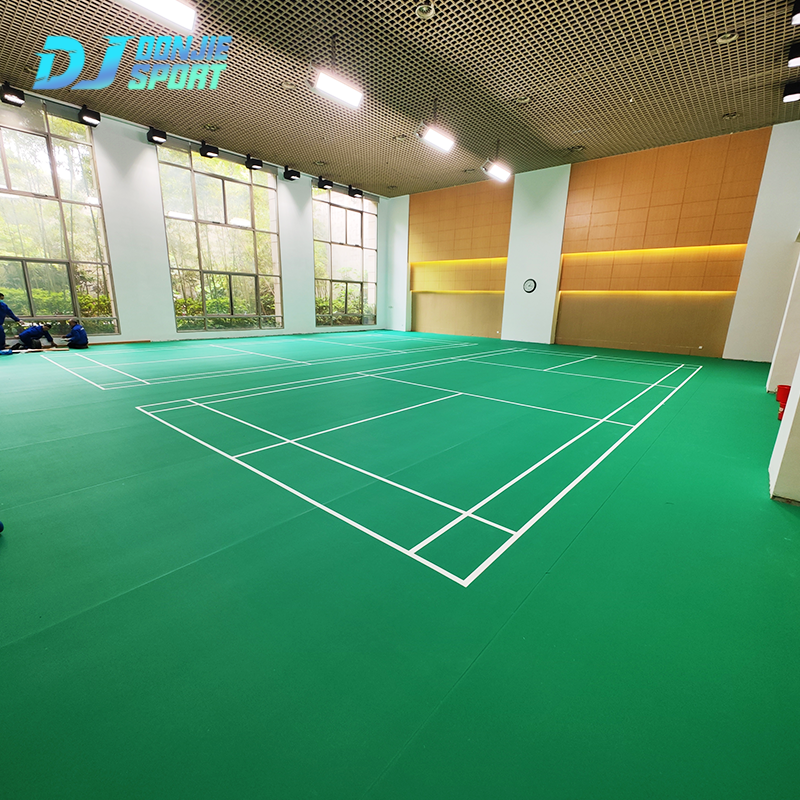
Rubber flooring is gaining popularity for pickleball courts due to its outstanding durability and shock absorption properties. Rubber offers a cushioned surface that reduces the impact on players’ joints, making it an excellent choice for players who play for extended periods. It also provides a non-slip surface that enhances player safety. Rubber flooring is often used in outdoor courts as it can withstand harsh weather conditions and provide long-lasting performance.
Advantages:
-
High durability and resistance to wear and tear
-
Excellent shock absorption, reducing strain on joints
-
Low maintenance and easy to clean
Challenges:
-
Can be more expensive compared to basic flooring options
-
May not provide as high of a bounce as wooden surfaces
Polyurethane Flooring: A Durable Option for High-Impact Play
Polyurethane flooring is a versatile and durable material that is often used in high-traffic sports areas. This synthetic material offers excellent resilience against wear and tear, making it perfect for pickleball courts that see frequent use. Polyurethane provides a comfortable, cushioned surface for players, minimizing impact on the body while ensuring that the ball bounces predictably.
Advantages:
-
Excellent durability, ideal for high-impact sports
-
Cushioned surface for added comfort and injury prevention
-
Resistant to moisture, making it ideal for indoor or covered outdoor courts
Challenges:
-
Installation can be complex and may require professional services
-
Initial cost may be higher than some other materials
Vinyl Flooring for Pickleball Courts
Vinyl flooring is one of the most affordable options for both indoor and outdoor pickleball courts. It is lightweight, easy to maintain, and available in a variety of colors and designs. Vinyl flooring is a popular choice for recreational players and community courts. However, it may not offer the same level of bounce or traction as more premium options like wood or rubber.
Advantages:
-
Cost-effective and budget-friendly
-
Easy to clean and maintain
-
Suitable for both indoor and outdoor courts
Challenges:
-
Less durable than wood or rubber, especially in high-traffic areas
-
May wear out faster if exposed to harsh weather or heavy use
Concrete and Asphalt Flooring: The Budget-Friendly Choice
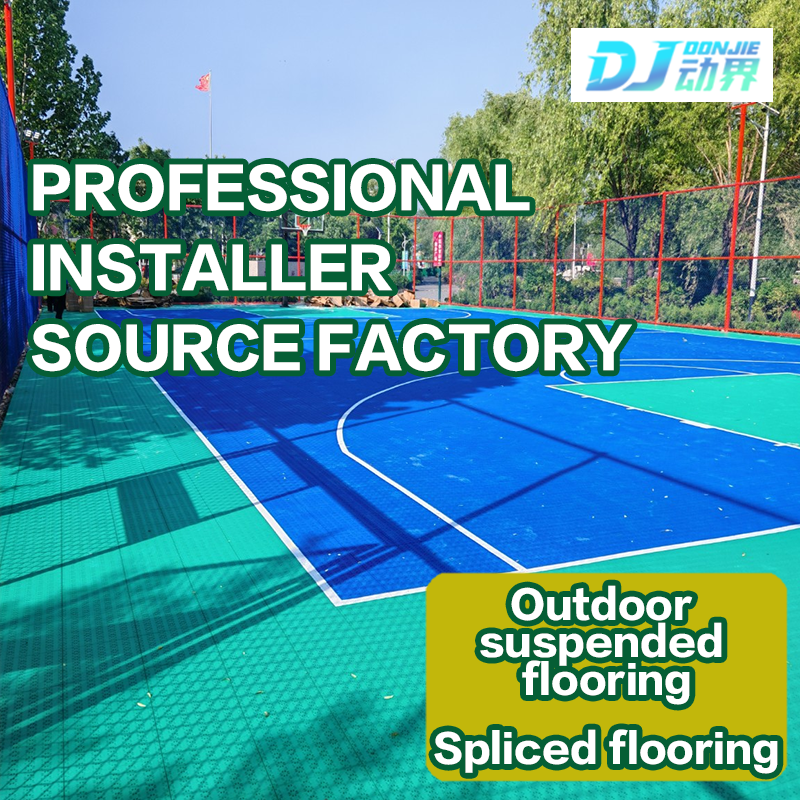
For those on a tighter budget, concrete and asphalt flooring may be an appealing option. These surfaces are durable and long-lasting, with proper care. Concrete and asphalt courts offer a hard, flat surface that is perfect for creating a low-cost pickleball court, especially for outdoor settings. While concrete surfaces are tough, they can also be harder on players’ joints due to the lack of cushioning.
Advantages:
-
Extremely durable and low-maintenance
-
Ideal for outdoor courts exposed to the elements
-
Budget-friendly compared to other flooring materials
Challenges:
-
Hard surfaces can be uncomfortable for players over time
-
Requires regular maintenance to prevent cracking or wear
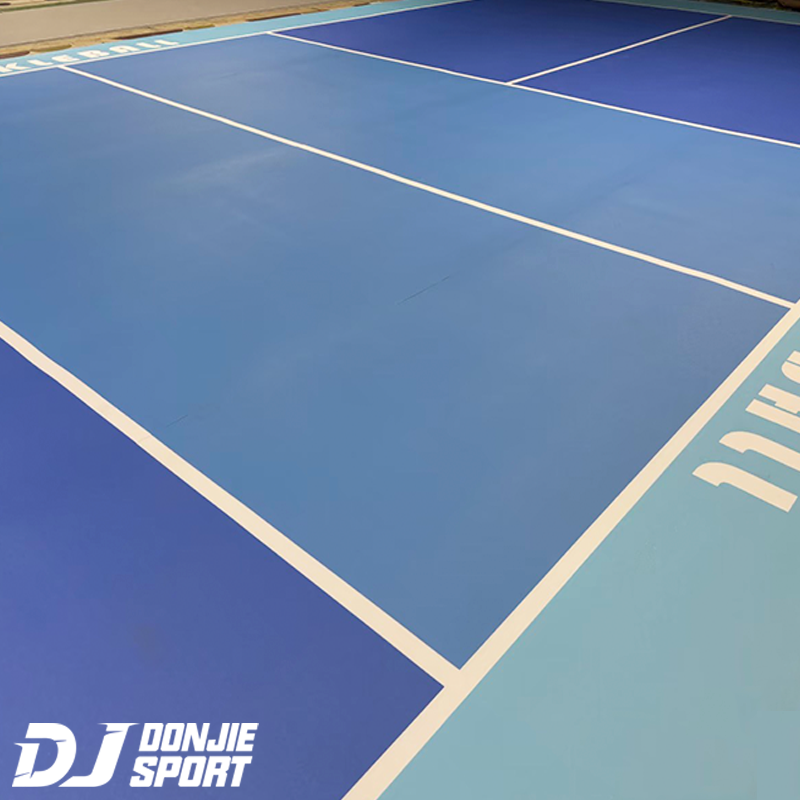
How to Choose the Best Flooring for Your Pickleball Court
Selecting the right flooring for your pickleball court depends on several factors, including whether the court is indoor or outdoor, the local climate, and the intended level of play. For instance, if you’re building an outdoor court in an area with frequent rain or extreme temperatures, you’ll want to prioritize materials that are resistant to weathering, like rubber or polyurethane. Indoor courts, on the other hand, may benefit from the aesthetics and performance of wood or vinyl flooring.
When choosing your flooring material, also consider your budget and the amount of maintenance you’re willing to perform. If you’re looking for a professional-grade surface that offers excellent bounce and performance, hardwood or polyurethane may be ideal, though at a higher cost. On the other hand, if you’re managing a recreational court for casual players, vinyl or rubber flooring may provide the best balance of durability and affordability.
Installing Pickleball Court Flooring: What You Need to Know
Installing pickleball court flooring can be a complex process that requires careful planning and precise execution. The installation method will vary depending on the flooring material, with some materials requiring professional installation and others allowing for DIY installation. For example, wood flooring may need special subflooring or leveling, while rubber and vinyl floors may be easier to install and maintain.
Professional installation ensures that your court is set up correctly and will perform as expected. However, if you’re working with a limited budget, some flooring materials—such as vinyl tiles—can be installed by yourself, saving you money.
Maintaining Your Pickleball Court Flooring
No matter the flooring material, proper maintenance is essential to prolong its lifespan and preserve its performance. Regular cleaning, checking for any cracks or wear, and resealing the surface when necessary are all part of maintaining your court. Additionally, avoid using harsh chemicals or abrasive cleaning tools, as they can damage the surface. For wooden floors, keep them clean and dry to prevent warping, while rubber and vinyl floors should be swept regularly to avoid debris buildup.
Conclusion
In conclusion, selecting the best pickleball court flooring material depends on your specific needs, budget, and the conditions in which the court will be used. Whether you opt for the durable resilience of rubber, the performance of wooden floors, or the cost-effectiveness of vinyl, each material has its own unique advantages. By considering factors such as durability, performance, maintenance, and cost, you can create a court that provides an optimal playing experience for all players.