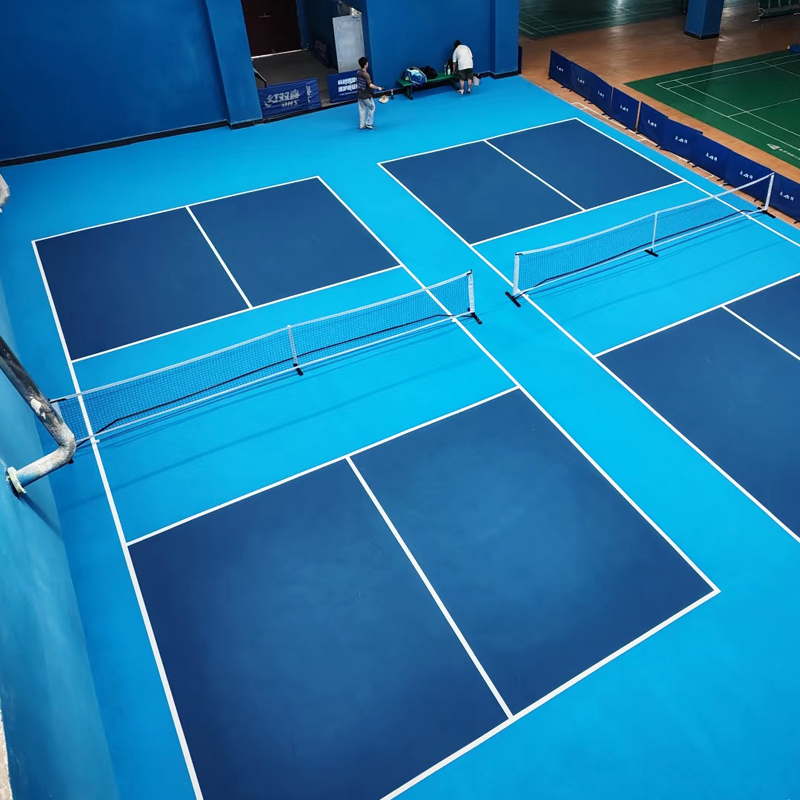
When it comes to designing and building a pickleball court, one of the most crucial decisions is choosing the right type of flooring. The quality of your court’s surface not only impacts player performance but also affects the longevity of the court and the safety of players. Among the most popular flooring options for pickleball courts are rubber and PVC flooring. Each offers unique advantages, but understanding their differences will help you make an informed decision. In this article, we’ll explore the key features, benefits, and drawbacks of both rubber and PVC flooring to help you choose the best fit for your pickleball court.
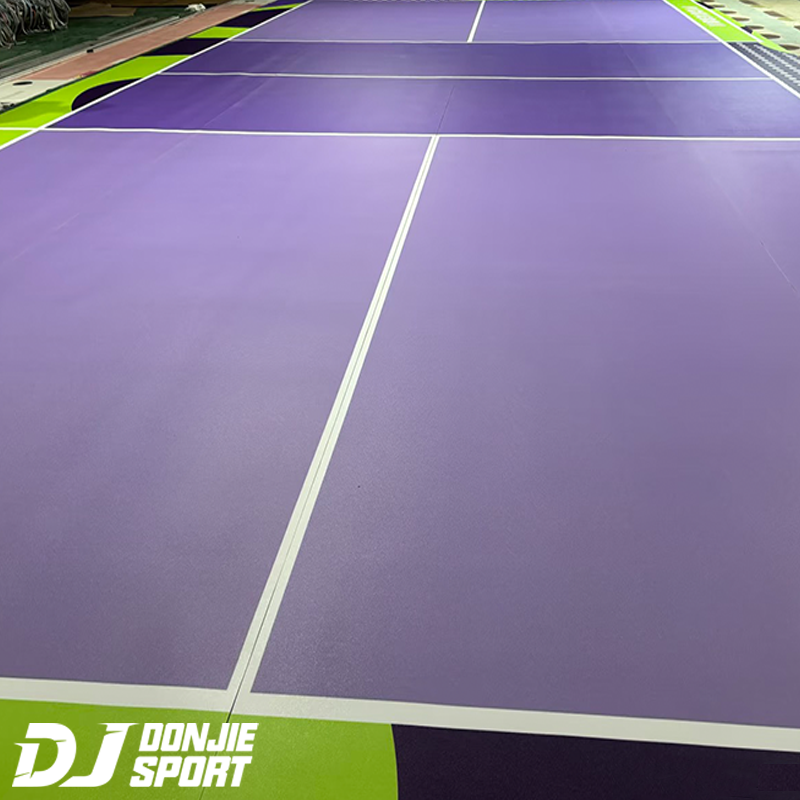
Understanding Pickleball Court Flooring
The right flooring for a pickleball court plays a significant role in the overall playing experience. Whether the court is located indoors or outdoors, the choice of flooring directly affects the game’s speed, the players’ comfort, and their safety. A poor flooring choice can lead to slips, injuries, and a lackluster performance. Therefore, it is essential to select a flooring material that provides a combination of excellent grip, durability, and comfort. This article will focus on two popular options: rubber and PVC flooring. Each offers distinct advantages that cater to different needs, and understanding these materials will help you make an informed decision.
What is Rubber Flooring?
Rubber flooring is a popular choice for various sports venues, including pickleball courts. Made from natural or synthetic rubber, this flooring material is highly durable, flexible, and provides excellent shock absorption. There are two main types of rubber flooring: rolled rubber and interlocking rubber tiles. Both are ideal for sports environments due to their cushioning properties, which help reduce impact on players’ joints and minimize the risk of injury.
One of the key benefits of rubber flooring is its traction. The textured surface provides excellent grip, reducing the likelihood of players slipping, especially during fast-paced games. Furthermore, rubber flooring is known for its resilience, making it a long-lasting option that can withstand heavy use without significant wear.
In addition to its performance benefits, rubber flooring offers noise-reducing properties, which can be particularly useful in indoor pickleball courts. It also comes in various colors and designs, allowing for a customizable court appearance.
What is PVC Flooring?
PVC flooring, short for polyvinyl chloride flooring, is another popular choice for pickleball courts. PVC is a synthetic plastic material that is often used in flooring systems because of its strength, durability, and cost-effectiveness. Like rubber, PVC flooring is available in different forms, including rolled sheets and interlocking tiles. It is commonly used in both indoor and outdoor settings due to its resistance to weather conditions.
PVC flooring provides a firm and stable surface for pickleball games. It offers excellent grip and is known for its superior durability, especially when it comes to resistance to abrasions, chemicals, and UV rays. PVC flooring is low maintenance and can be cleaned with ease, making it an attractive option for busy pickleball courts.
One of the standout features of PVC flooring is its ability to be customized in terms of color and design, allowing you to create a visually appealing court. It is also a more affordable option compared to other flooring materials, making it an attractive choice for budget-conscious court owners.
Performance Comparison: Rubber vs. PVC Flooring
When it comes to performance, both rubber and PVC flooring offer distinct advantages.
Grip and Traction: Rubber flooring excels in providing superior grip and traction. The textured surface ensures players have better control over their movements, especially during fast lateral shifts. PVC flooring, while offering good traction, tends to be less forgiving than rubber, potentially making it harder for players to gain the same level of control.
Shock Absorption: Rubber flooring is renowned for its shock-absorbing qualities. The cushioning provided by rubber helps reduce the stress on players’ joints, providing a more comfortable playing experience. PVC flooring, on the other hand, offers less shock absorption but still provides a firm surface that is not overly hard on the body.
Player Performance: While both materials offer solid performance, rubber flooring tends to be the better choice for players who prioritize comfort and injury prevention. The softness and flexibility of rubber allow players to move more naturally, especially during extended matches. PVC, while durable and strong, is more rigid and may not offer the same level of comfort.
Durability and Longevity: Which Flooring Lasts Longer?
Durability is a critical factor when selecting flooring for pickleball courts, especially when considering outdoor conditions. Both rubber and PVC flooring are highly durable, but they each have strengths in different areas.
Rubber Flooring: Rubber is incredibly durable and can withstand heavy foot traffic, making it ideal for sports courts that experience regular use. It also has great resistance to weather conditions, such as heat and moisture. However, rubber flooring may fade or show signs of wear over time, especially if exposed to harsh UV rays.
PVC Flooring: PVC flooring is also highly durable and can last for many years with minimal maintenance. It resists stains, scratches, and UV damage, which makes it an excellent choice for outdoor courts. PVC is also less prone to fading and deterioration compared to rubber, which can be a concern in areas with intense sunlight.
In terms of overall longevity, PVC flooring has a slight edge due to its resilience against UV damage and its ability to maintain its appearance longer than rubber. However, both materials are highly reliable if maintained properly.
Aesthetic Appeal: How Rubber and PVC Flooring Compare
Aesthetic appeal is often a secondary consideration when choosing flooring for a pickleball court, but it can play a role in the overall atmosphere of the space.
Rubber Flooring: Rubber flooring comes in a variety of colors and patterns, but its aesthetic options are often limited compared to PVC. The matte finish of rubber can give it a more utilitarian look, which might not appeal to everyone. However, it offers a functional, no-nonsense design that suits many sports venues.
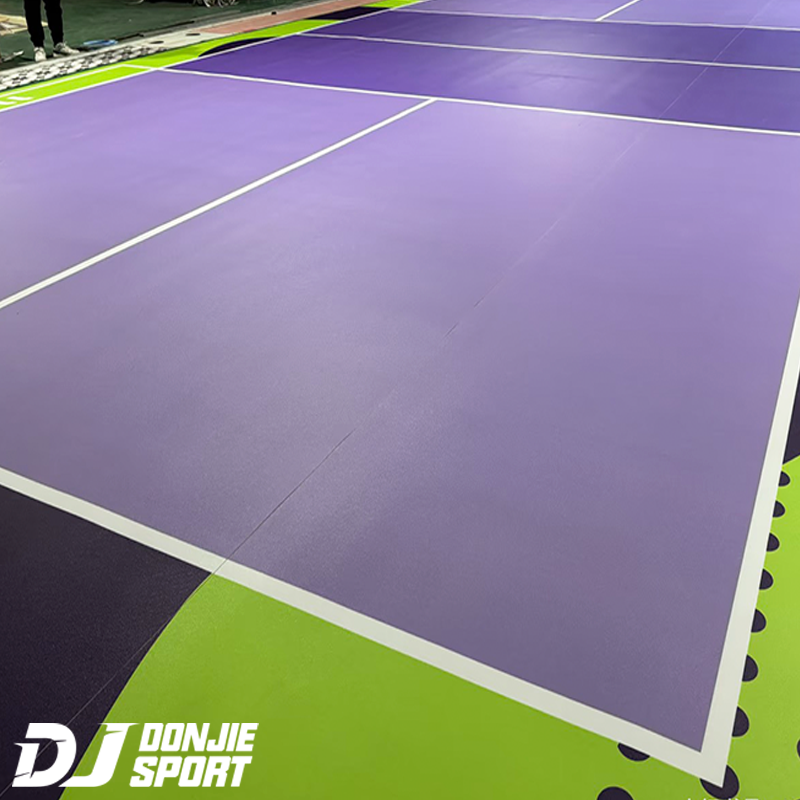
PVC Flooring: PVC flooring offers more design flexibility. With the ability to be printed in various colors and patterns, PVC allows for more creative customization. Whether you’re looking for a court that matches your team colors or a visually striking design, PVC offers a broader range of aesthetic possibilities.
Cost Comparison: Rubber Flooring vs. PVC Flooring
Initial Cost: Rubber flooring tends to be more expensive than PVC flooring due to its high-quality materials and manufacturing processes. However, it is important to weigh this against the long-term benefits of durability and comfort.
Maintenance Costs: PVC flooring generally requires less maintenance compared to rubber flooring. Rubber flooring, while low-maintenance, may require occasional resealing or cleaning to maintain its appearance. PVC, on the other hand, is easier to clean and does not require any additional treatments.
Long-Term Investment: In the long run, PVC flooring may be the more cost-effective option for budget-conscious individuals, as it offers excellent durability without the higher upfront cost of rubber flooring. However, for those who prioritize player comfort and injury prevention, the added expense of rubber flooring may be worth the investment.
Environmental Impact: Sustainable Flooring Choices
Rubber Flooring: Many rubber flooring options are made from recycled materials, making them an eco-friendly choice. Rubber is biodegradable, and some manufacturers offer products made from post-consumer recycled rubber, contributing to sustainability.
PVC Flooring: PVC, however, has a larger environmental footprint. It is a synthetic material and is not biodegradable. However, some manufacturers are working to improve the sustainability of PVC by using recycled content and making it recyclable after its useful life.
If environmental sustainability is a significant concern, rubber flooring may be the better option due to its use of recycled materials and biodegradability.
Which Flooring is Best for Your Pickleball Court?
Choosing between rubber and PVC flooring depends on several factors, including budget, court location, and player preferences.
-
For indoor courts, rubber flooring might be the preferred choice for its superior shock absorption and grip, which is especially beneficial for longer games.
-
For outdoor courts, PVC flooring tends to perform better because it resists UV damage and requires less maintenance over time. It is also more budget-friendly for those with tight financial constraints.
Ultimately, both flooring options provide excellent value, but rubber flooring offers more comfort and injury prevention, while PVC flooring is more durable and cost-effective.
Conclusion
Choosing the right flooring for your pickleball court is crucial for both performance and safety. Rubber flooring is ideal for those who prioritize comfort and joint protection, while PVC flooring offers superior durability and lower costs. By understanding the differences between these two options, you can make an informed decision based on your needs and preferences. Whether you opt for rubber or PVC, both flooring materials will enhance your pickleball court experience, allowing players to enjoy the game to its fullest.