Pickleball, one of the fastest-growing sports worldwide, has captured the attention of athletes and casual players alike. With its combination of tennis, badminton, and ping pong, it provides a fast-paced, enjoyable experience. However, what many players may overlook is the importance of the surface they play on—pickleball court flooring plays a crucial role in shaping both the experience and performance of the game. The right flooring can enhance a player’s speed, agility, and comfort, while the wrong one can lead to fatigue and potential injury. In this article, we explore why the choice of pickleball court flooring matters for player performance and how it affects every aspect of the game.
Understanding the Role of Pickleball Court Flooring
The flooring of a pickleball court isn’t just a static surface—it has a dynamic influence on the game. A player’s performance is not only impacted by their skills but also by the environment in which they play. The choice of flooring influences key elements like grip, ball bounce, and overall comfort. For example, the right flooring can enhance traction, allowing for quick starts and stops, while a subpar surface can lead to slips and lack of control. Moreover, flooring also affects player safety, especially in terms of shock absorption, which can reduce the strain on joints and prevent long-term injuries.
The flooring used in a pickleball court must be durable and consistent in performance, which is why it’s crucial to choose a material that complements the style of play—whether indoors or outdoors.
Types of Pickleball Court Flooring and Their Impact on Performance
Hardwood Flooring: The Standard Choice for Indoor Courts
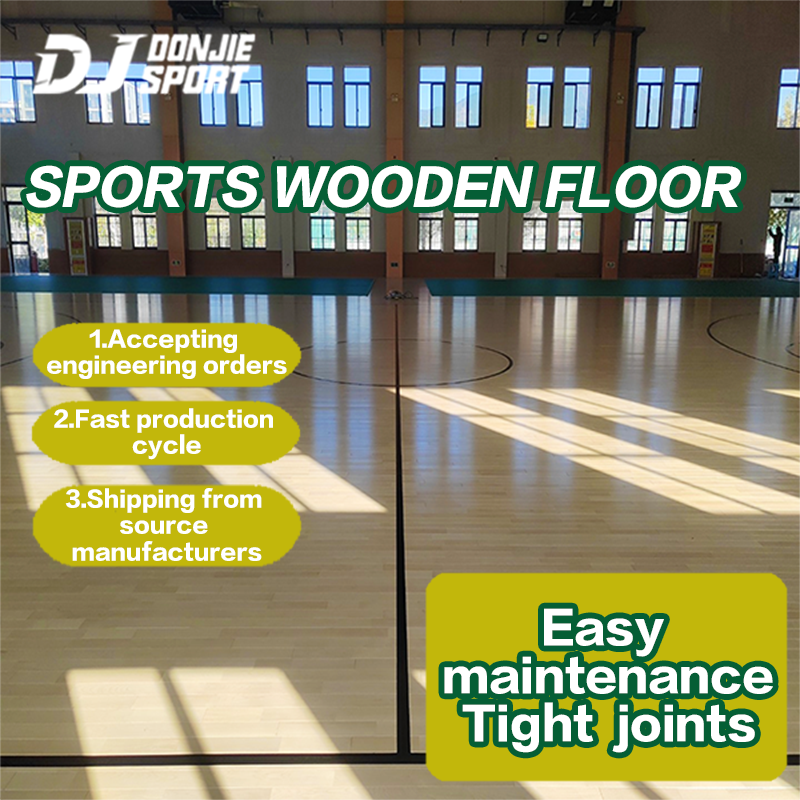
Hardwood is the traditional flooring used in most indoor pickleball courts. It offers an excellent balance between smoothness and grip, making it suitable for quick lateral movements and fast-paced action. The surface provides a consistent bounce for the ball, making it ideal for indoor play. However, while it offers great performance, it also requires regular maintenance to preserve its quality and ensure safety.
Rubber Flooring: Ideal for Durability and Shock Absorption
Rubber flooring is increasingly popular for pickleball courts due to its shock-absorbing properties, making it ideal for reducing the impact on players’ joints during intense play. This type of flooring provides excellent traction, which helps in preventing slips and falls. Additionally, rubber floors are durable and require minimal maintenance, making them a great option for high-traffic areas.
PVC Flooring: Great for Easy Maintenance and Consistent Performance
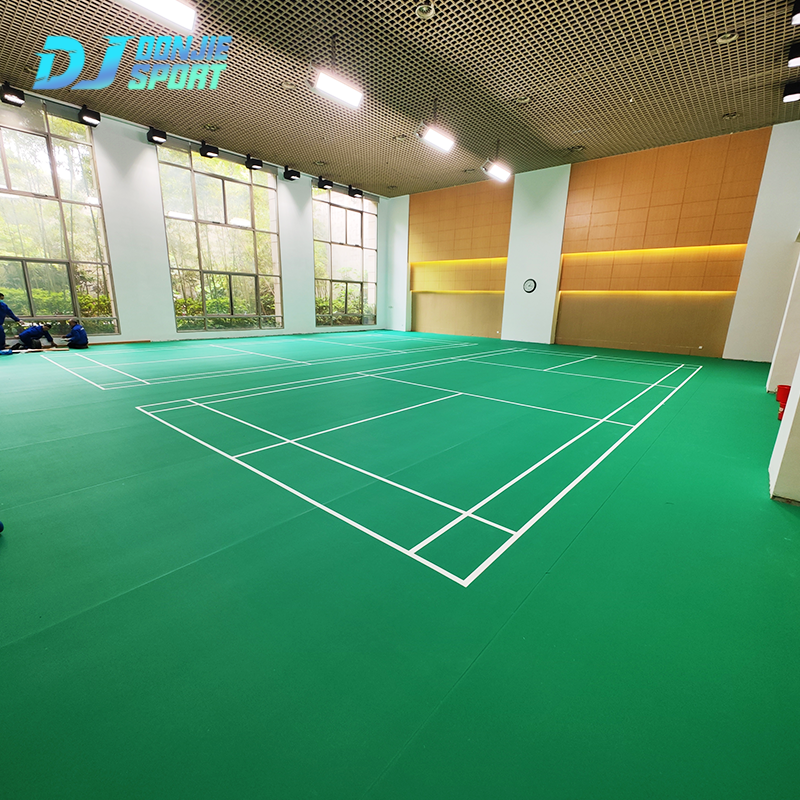
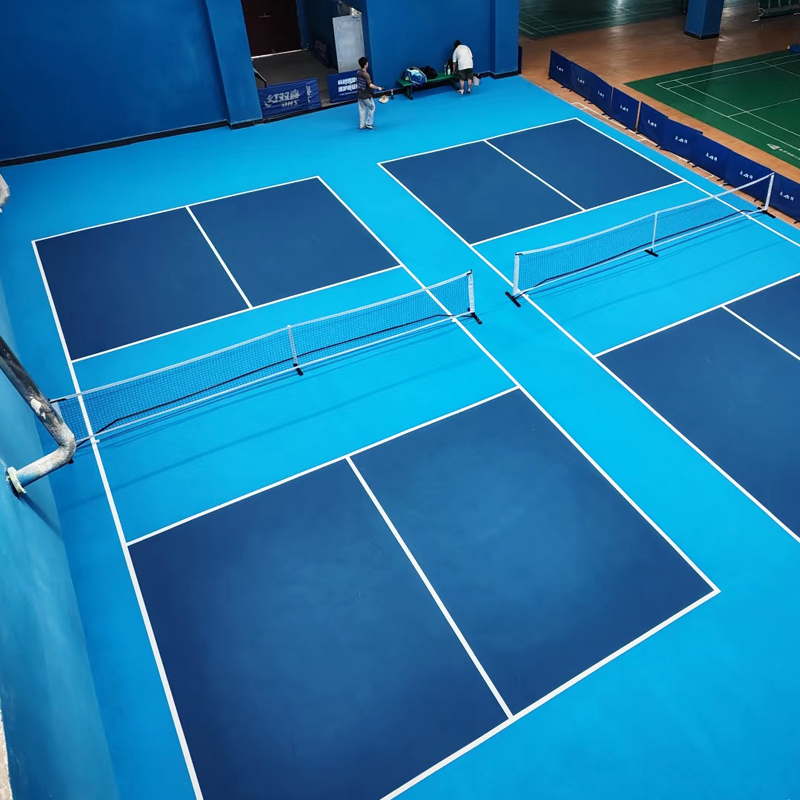
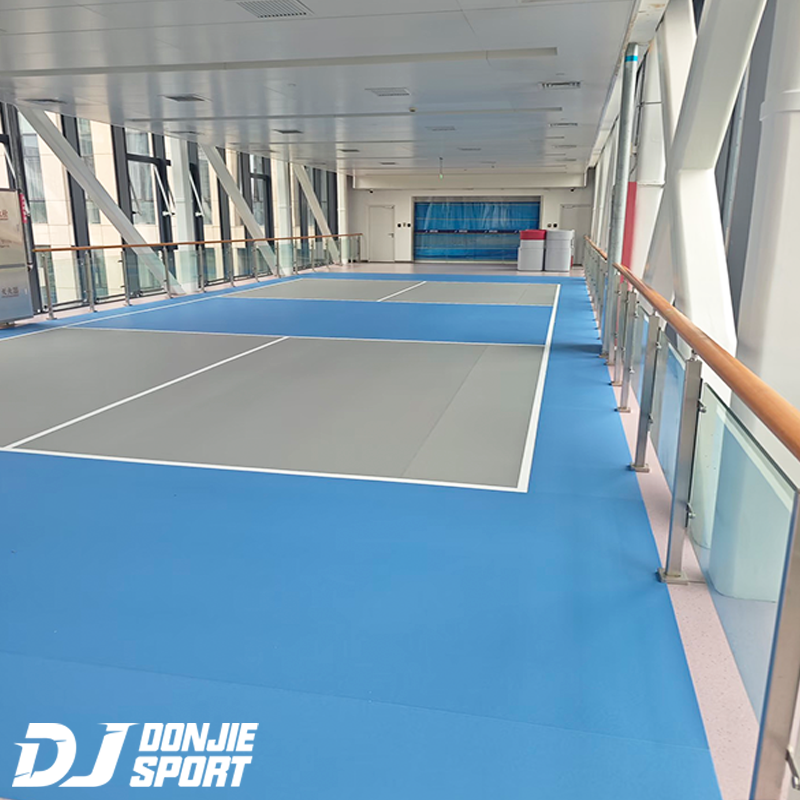
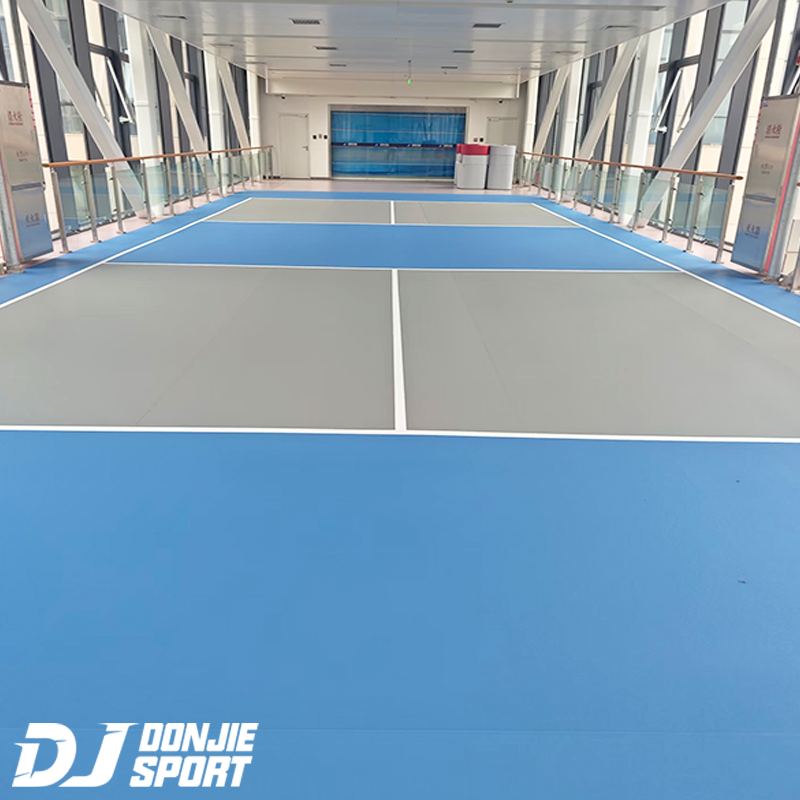
PVC flooring has grown in popularity for both indoor and outdoor pickleball courts. Known for its versatility, PVC flooring offers a reliable playing surface that delivers a consistent ball bounce. It’s relatively low-maintenance compared to hardwood or rubber, requiring only occasional cleaning to maintain its smoothness. Additionally, PVC flooring is available in a variety of colors and designs, allowing courts to be customized aesthetically without compromising on performance.
Concrete and Asphalt Flooring: A Cost-Effective but Potentially Challenging Option
While concrete and asphalt are the most cost-effective options for outdoor pickleball courts, they can present challenges. These surfaces may lack the comfort of softer flooring types and can be harsh on the joints. Concrete courts are also prone to uneven wear and tear, which could lead to poor ball bounce and increased risk of injury. However, when installed correctly with the proper texture and finish, concrete can still offer a functional, affordable playing surface.
Turf Flooring: Best for Outdoor Courts, Offering Resilience
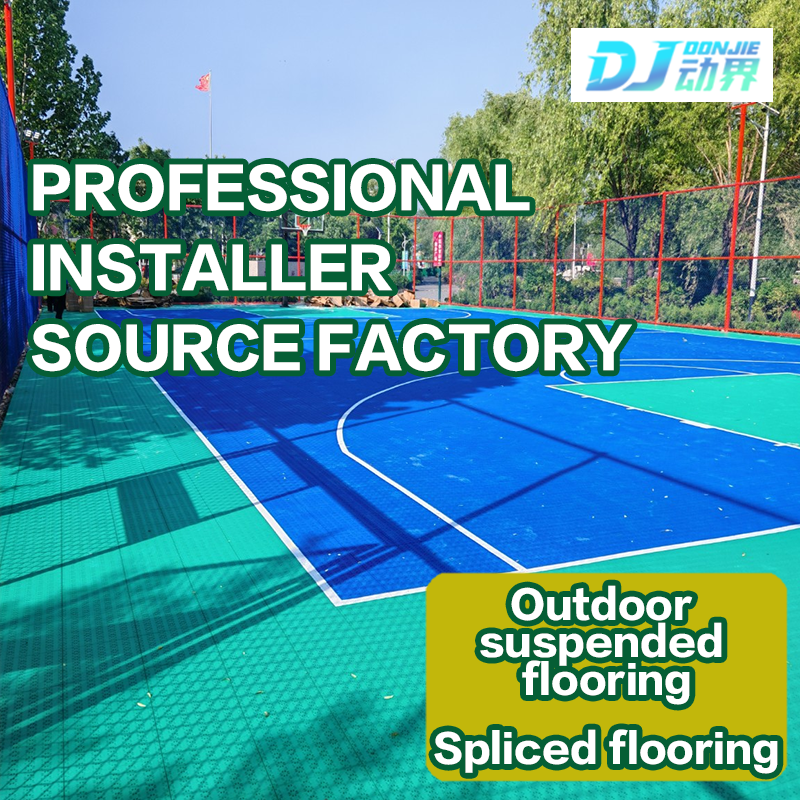
Turf flooring is designed specifically for outdoor use and provides excellent durability against the elements. While offering a resilient surface for outdoor play, turf flooring often requires careful installation and maintenance to ensure consistent play. The grass-like texture provides a softer surface than concrete or asphalt, reducing impact and fatigue. It’s also more forgiving in wet weather conditions compared to harder surfaces.
How Flooring Affects Player Movement and Comfort
Player movement and comfort are directly influenced by the type of flooring used. A surface with the right level of grip allows players to pivot quickly, making rapid changes in direction without slipping. On the other hand, flooring that is too slippery or too rough can slow down movements or increase the chances of injury.
The right flooring should support fast lateral movement while offering enough cushioning to reduce strain on the knees, ankles, and hips. Some flooring types, like rubber and PVC, offer greater shock absorption, which can help players stay comfortable during extended play sessions. Flooring that promotes fluid movement can also reduce fatigue, helping players perform at their best throughout the game.
Player Safety: Preventing Injuries with the Right Flooring
Injury prevention is one of the most important factors when selecting flooring for pickleball courts. A surface that offers adequate traction helps prevent slips, especially when players are making quick turns or moving at high speeds. Rubber flooring, for instance, not only provides traction but also helps cushion the joints, reducing the risk of stress injuries.
In addition to traction, the shock-absorbing properties of the flooring are crucial for protecting players’ knees and ankles. Prolonged exposure to hard surfaces can lead to long-term joint damage, especially in older players. Flooring with adequate shock absorption, like rubber or PVC, helps distribute the impact more evenly, minimizing strain and providing players with the comfort they need to play for hours without feeling the adverse effects of hard ground.
The Psychological Aspect: Player Confidence and Comfort
Player confidence is key to optimal performance, and this can be influenced by the court surface. A smooth, consistent floor creates a predictable environment where players can focus on the game rather than worry about uneven surfaces or potential slips. Flooring that’s too rough or uncomfortable can cause distractions, which may affect a player’s focus, ultimately impacting performance.
Players who feel confident in their footing are more likely to take risks, make aggressive plays, and trust their movement abilities. Flooring that enhances comfort, through both cushion and grip, helps players focus on their game, knowing they won’t be hindered by their surroundings.
Environmental Factors and Flooring Durability
When selecting flooring for pickleball courts, it’s essential to consider the environmental conditions the court will be exposed to. For outdoor courts, flooring must be able to withstand the elements—UV rays, rain, and temperature fluctuations can all affect the performance and lifespan of the surface. Rubber and turf flooring are ideal for these conditions as they are more resistant to weather-induced wear and tear.
For indoor courts, the flooring needs to handle consistent foot traffic and occasional spills while maintaining its integrity. Materials like hardwood, PVC, and rubber flooring tend to perform well in controlled indoor environments, offering longevity and minimal maintenance.
Budget Considerations and Flooring Choices
Budget plays a significant role in flooring selection. While high-end materials like hardwood may provide the best playing experience, they come with a higher price tag. Rubber and PVC flooring are more budget-friendly options that still provide excellent performance, making them suitable for recreational and commercial courts. Concrete and asphalt, though inexpensive initially, may require additional investment in resurfacing or maintenance.
When considering flooring options, it’s essential to balance performance and durability with cost. Commercial and professional-level courts often prioritize premium flooring for the best player experience, while recreational courts may lean toward cost-effective options that still meet performance standards.
Conclusion
In conclusion, pickleball court flooring significantly impacts player performance, safety, and comfort. Choosing the right flooring can enhance speed, agility, and injury prevention, while a poor surface can impede movement and increase fatigue. Whether you’re building a professional-grade indoor court or a recreational outdoor court, understanding how flooring affects the game is essential for creating an optimal environment for players. With the right choice of flooring, players can enjoy improved performance and long-lasting comfort, ensuring that they stay competitive and safe on the court for years to come.