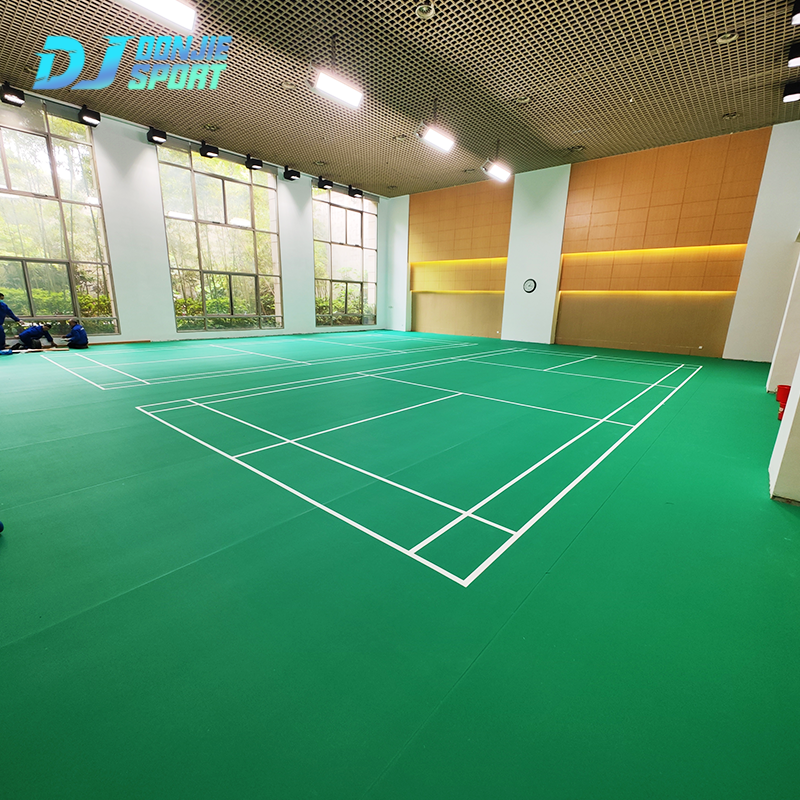
Pickleball Court Flooring plays a critical role in determining player performance, safety, and overall game quality. Whether installed indoors or outdoors, the right flooring solution influences ball bounce, traction, shock absorption, and long-term durability. As pickleball continues to grow globally, facility owners and sports planners must carefully evaluate the advantages and challenges associated with both indoor and outdoor Pickleball Court Flooring systems.
Indoor and outdoor environments present unique demands, making surface selection a strategic decision rather than a simple material choice. Understanding these differences helps ensure optimal gameplay and long-term value.
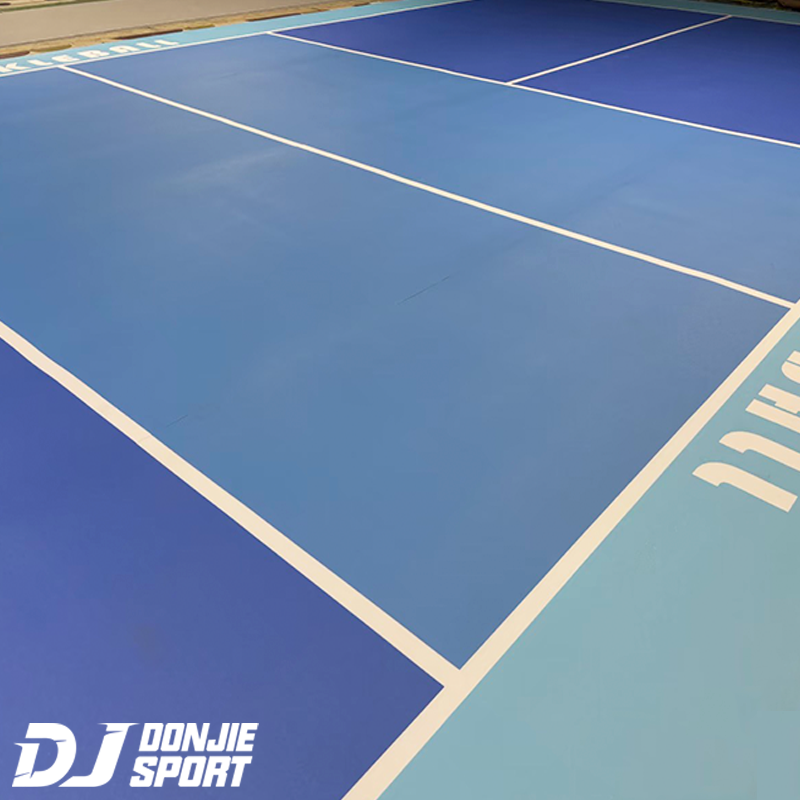
Key Differences Between Indoor and Outdoor Pickleball Court Flooring Environments
Indoor Pickleball Court Flooring benefits from controlled environmental conditions, including stable temperature and humidity levels. Outdoor Pickleball Court Flooring, on the other hand, must withstand rain, sunlight, temperature fluctuations, and heavy use.
These environmental contrasts affect material selection, installation methods, and maintenance requirements. Choosing the wrong flooring type for the environment can lead to premature wear, safety issues, and increased maintenance costs.
Indoor Pickleball Courts
Indoor courts are typically found in gymnasiums, multi-sport facilities, recreation centers, or purpose-built buildings. While they cost more to build and maintain, they offer year-round use and more controlled playing conditions. This makes them ideal for high-traffic facilities, colder regions, or businesses aiming to host leagues and events.
Best suited for:
Cold climates or regions with unpredictable weather
Facilities offering lessons, tournaments, or paid access
Schools, universities, and fitness centers seeking consistent use
Developers converting warehouse or gym spaces into multi-court complexes
Advantages of Indoor Courts:
Year-round availability: Indoor courts aren’t affected by weather. They offer reliable scheduling and uninterrupted play throughout the year.
Consistent playing conditions: With no wind, sun, or rain to consider, gameplay is consistent. Lighting, temperature, and surface bounce remain predictable, which is ideal for leagues or tournaments.
Extended surface lifespan: Indoor surfaces don’t deal with UV damage or precipitation. This often leads to fewer repairs and less frequent resurfacing over time.
Added programming potential: Indoor facilities can generate revenue by offering court rentals, memberships, lessons, or hosting events—regardless of the season.
Challenges of Indoor Courts:
Higher initial costs: Indoor construction involves walls, roofing, HVAC systems, specialized flooring, and lighting. Building from the ground up is significantly more expensive than using an outdoor space.
Construction and permitting complexity: You’ll need to meet local building codes and, in commercial cases, may need to follow regulations related to fire exits, ADA compliance, and occupancy limits.
Space requirements: Indoor courts require high ceilings (minimum of 18–20 feet) to accommodate lobs and overhead shots. This often makes retrofitting existing buildings more difficult.
Common indoor surfaces:
Polyurethane or cushioned acrylic (for athletic floors)
Modular tile systems designed for indoor use
Sealed hardwood (occasionally used, but less ideal due to slipperiness)
Outdoor Pickleball Court Flooring Advantages for Durability and Accessibility
Weather-Resistant Pickleball Court Flooring Materials
Outdoor Pickleball Court Flooring is designed to resist UV exposure, rain, and temperature changes. Acrylic coatings, modular tiles, and textured surfaces provide durability and consistent traction in varying conditions.
Cost-Effective Solutions for Large Outdoor Courts
Outdoor installations often cover larger areas, and Pickleball Court Flooring solutions such as asphalt or modular tile systems offer cost-effective options for public parks, schools, and community facilities.
Slip Resistance and UV Protection Benefits
Textured outdoor Pickleball Court Flooring enhances grip, reducing slip risks even in damp conditions. UV-resistant materials prevent fading and surface breakdown, extending the court’s usable life.
Easy Drainage and Surface Stability
Outdoor Pickleball Court Flooring systems are designed to facilitate drainage, preventing water accumulation and minimizing downtime after rainfall.
Challenges Associated With Outdoor Pickleball Court Flooring
Weather Impact on Surface Longevity
Exposure to sunlight, moisture, and temperature extremes can accelerate wear on outdoor Pickleball Court Flooring. Regular maintenance is essential to preserve surface performance and safety.
Temperature Fluctuations and Surface Expansion
Outdoor Pickleball Court Flooring materials expand and contract with temperature changes. Improper installation or material selection can result in cracking or surface deformation.
Increased Maintenance From Environmental Exposure
Outdoor courts require more frequent cleaning and inspections to address debris, algae growth, and surface wear caused by environmental factors.
Performance Considerations When Choosing Pickleball Court Flooring
Traction and Grip for Fast-Paced Play
Proper traction is essential for safe movement and quick directional changes. High-quality Pickleball Court Flooring balances grip and slide to support competitive play.
Ball Bounce Consistency Across Different Surfaces
Ball response varies between indoor and outdoor Pickleball Court Flooring. Selecting surfaces designed specifically for pickleball ensures reliable bounce and fair gameplay.
Noise Reduction in Indoor Pickleball Flooring
Indoor Pickleball Court Flooring with sound-dampening properties helps reduce noise levels, improving the playing experience in enclosed facilities.
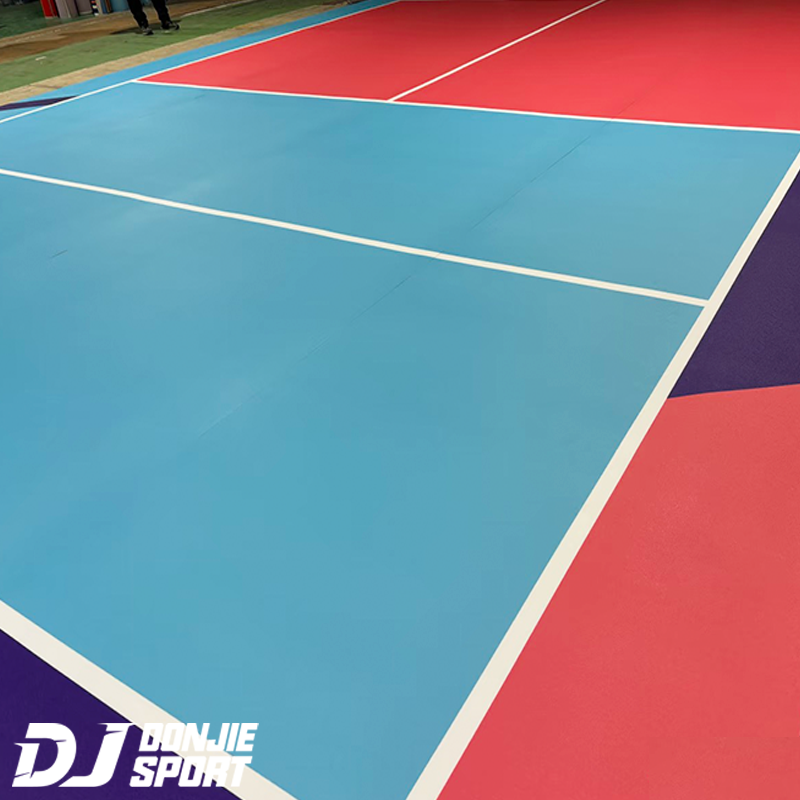
Maintenance and Long-Term Care for Pickleball Court Flooring
Cleaning and Maintenance Best Practices for Indoor Courts
Regular sweeping, damp mopping, and non-abrasive cleaning agents help maintain indoor Pickleball Court Flooring appearance and performance.
Final Thoughts on Indoor and Outdoor Pickleball Court Flooring Selection
Choosing between indoor and outdoor Pickleball Court Flooring requires a clear understanding of performance needs, environmental challenges, and long-term goals. By evaluating advantages and limitations carefully, facilities can create safe, durable, and high-performing pickleball courts that support player satisfaction and facility success.